
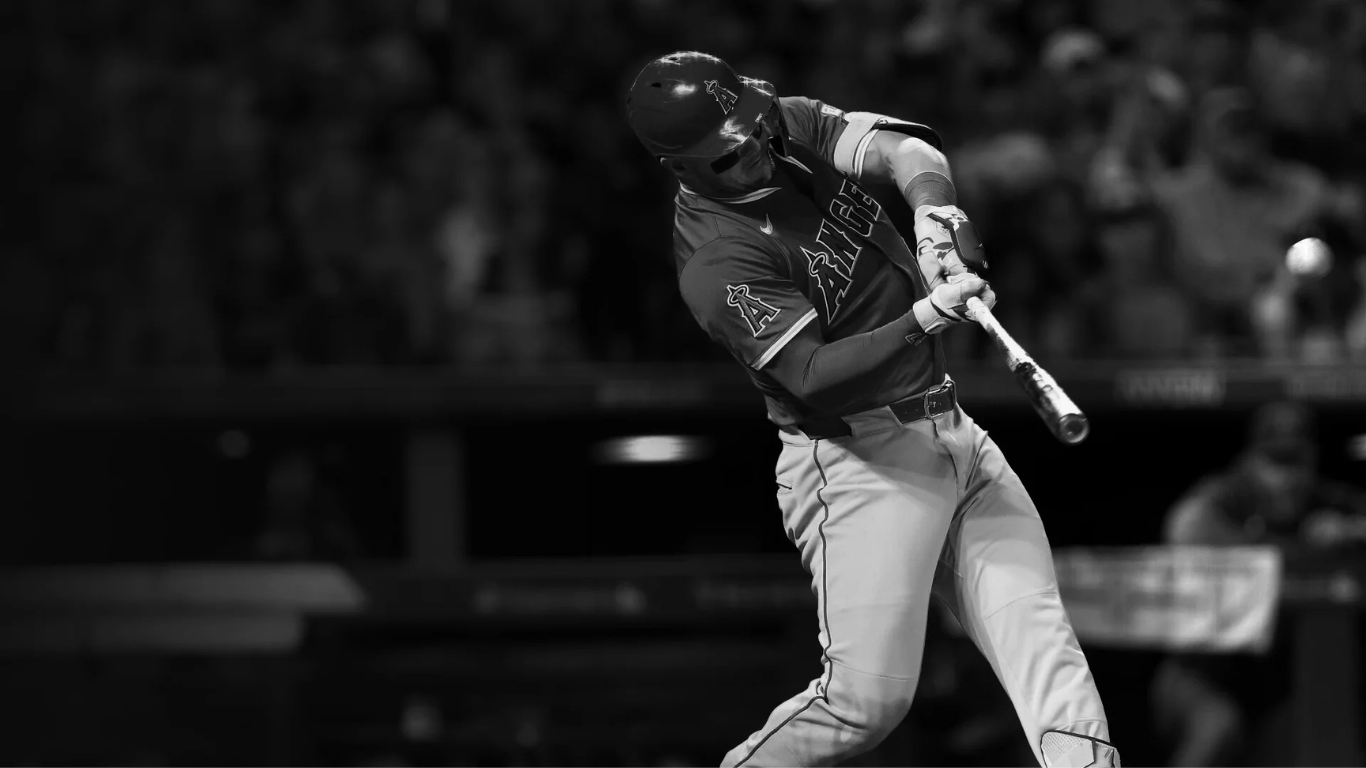
The sharp crack of a wood baseball bat remains one of the purest sounds in sports. In an era of advanced analytics, launch angles, and high-tech training tools, professional players still step into the box with a solid piece of lumber. As the 2026 Major League Baseball season heads toward its final stretch, wood baseball bats continue to evolve. New shapes, materials preferences, and brand shifts are influencing how hitters approach the game.
From the rise of torpedo-style designs to changes in official partnerships, wood bats are more than tradition. They represent performance, feel, and a direct connection between player and ball. This article explores the latest developments, key numbers, standout players, and expert insights around wood baseball bats.
Latest Player and Team Updates on Wood Baseball Bats
Marucci Sports officially took over as MLB’s official bat provider, replacing Louisville Slugger after nearly three decades. The multi-year deal, which began in early 2025 and runs through 2029, gives Marucci and its sister brand Victus exclusive rights to use MLB logos and team marks on their products. By 2024, more than half of MLB players already swung Marucci or Victus models. That share has only grown.
Teams and players are experimenting more freely within the rules. MLB requires bats made from a single solid piece of wood with a maximum barrel diameter of 2.61 inches. Within those limits, innovation thrives. Several Yankees hitters adopted torpedo bats early in the 2026 season and produced a flurry of home runs in one weekend series. Giancarlo Stanton used a Marucci torpedo model during last year’s postseason, collecting seven home runs and earning ALCS MVP honors.
Guardians outfielder Lane Thomas switched to a tapered Old Hickory design and delivered a memorable grand slam in the ALDS. Other clubs, including the Cubs, have tested similar shapes in batting practice. Orioles catcher Adley Rutschman and Mets shortstop Francisco Lindor have also been spotted with torpedo models.
On the individual side, Juan Soto made a notable midseason adjustment. He switched to a “hockey puck” knob bat, featuring a thicker cylindrical end. The change shortened his swing length slightly and improved his two-strike numbers significantly. Soto’s OPS with two strikes jumped, while his swing-and-miss rate dropped. The added weight in the knob helps the bat feel lighter and quicker through the zone.
Aaron Judge continues working through a rehab process, with his return described as “getting close.” When he returns, fans will watch closely to see which model he chooses. Meanwhile, young stars and prospects are driving demand for high-quality wood. Companies like CamWood report that top 2026 draft prospects have chosen their pro-grade beech bats at major showcases.
The Rise of Torpedo Bats and Design Innovation
Torpedo bats feature a distinctive tapered profile that moves the thickest part of the barrel closer to the hands while maintaining legal dimensions. Many are crafted from birch because its lower density allows manufacturers to create a sturdy handle and larger sweet spot without exceeding weight limits. Maple remains denser and harder, making pure maple torpedo models more challenging to balance.
Marucci CEO Kurt Ainsworth noted that half of the company’s pro players inquired about torpedo designs shortly after their high-profile debuts. Louisville Slugger received more than 100 orders in a short window. The design does not guarantee success, but it offers hitters a different feel and potentially larger effective hitting surface.
Beyond torpedo shapes, the industry continues refining traditional models. Chandler Bats earned recognition as the best real wood bat in some 2026 reviews for its consistent quality and longer warranty. Hybrid and composite wood options remain popular in amateur and collegiate wood-bat leagues, though pure solid wood is required in MLB and most professional settings.
Key Statistics on Wood Baseball Bats in the Majors
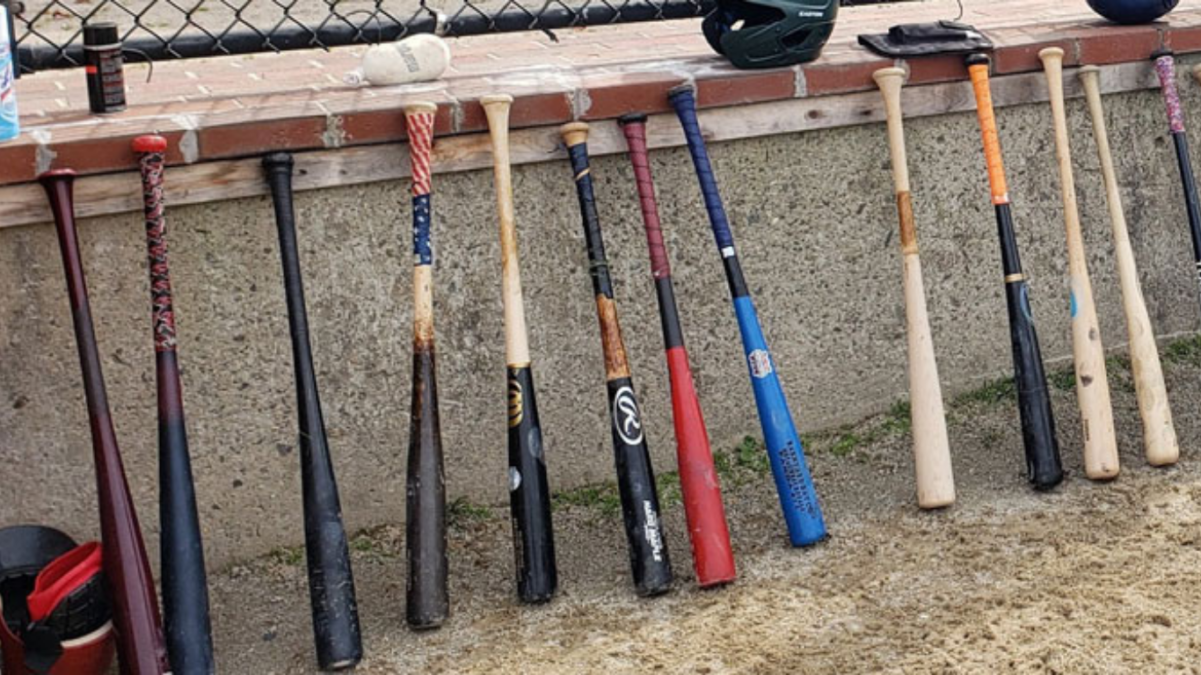
Maple dominates professional use. Roughly 75 to 80 percent of MLB players prefer maple for its hardness, density, and consistent performance. Ash offers more flex and a larger perceived sweet spot but tends to flake and break more readily. Birch sits in the middle, providing a balance of hardness and forgiveness that appeals to players transitioning from metal bats.
Brand market share has shifted dramatically. Victus has reached peaks near 28 percent of plate appearances on opening day tracking. Combined with Marucci, the two brands account for nearly half the league. Old Hickory and Louisville Slugger remain strong contenders, with the latter still used by several high-profile hitters including Ronald Acuña Jr., Cody Bellinger, and Christian Yelich in recent seasons.
Exit velocity and squared-up rates continue to climb league-wide. Statcast data shows elite hitters routinely generating bat speeds above 75 mph on competitive swings. Players who find the right wood model often report improved feel on contact and better results when they square the ball up.
The global market for baseball and softball wood bats is projected to grow steadily through the early 2030s, reflecting sustained demand at both professional and amateur levels.
Players to Watch Swinging Wood Baseball Bats
Several hitters stand out for their current success or potential impact with wood bats this season:
- Giancarlo Stanton: Already proven with a torpedo model in the postseason. His power remains elite when healthy.
- Juan Soto: The hockey-puck knob experiment has paid early dividends. Watch his two-strike approach closely down the stretch.
- Lane Thomas: His ALDS grand slam with a tapered bat put the design on the map. Consistency will determine whether the change sticks long-term.
- Aaron Judge: Once back, his combination of size, strength, and bat speed makes any model he chooses a story.
- James Wood: The young Nationals outfielder recently returned from an oblique injury. His explosive swing and high exit velocities make him a player to monitor as he finishes the year strong.
- Young prospects: Names like those choosing CamWood or Chandler models at showcases could arrive in the majors soon and influence the next wave of bat preferences.
Teams with multiple players testing new shapes, such as the Yankees earlier this season, will also draw attention as the playoffs approach.
Expert Analysis: Why Wood Still Matters
Hitting coaches and bat makers emphasize that wood demands better mechanics. Unlike metal or composite bats with trampoline effects, wood rewards precise contact. Mis-hits sting more and produce weaker results. This forces hitters to stay through the ball and develop consistent swing paths.
Wood scientists and MLB officials have worked for years to improve durability and reduce dangerous breakages, particularly with denser maple. Slope-of-grain standards and careful billet selection help. Still, every wood bat will eventually break. Players treat game bats carefully and often keep multiple models ready.
From an equipment perspective, the shift toward customization is clear. Axe handle technology is expanding across Marucci and Victus lines. Puck knobs, different turns, and precise weight distributions give hitters more options than ever. The best wood baseball bats feel like an extension of the hands rather than a tool.
Analysts note that while technology influences training and analysis, the bat itself remains fundamentally traditional. That balance of innovation within strict rules keeps the game authentic.
FAQs About Wood Baseball Bats
What woods are allowed in MLB?
Maple, ash, and birch are the primary approved species. Bats must be one solid piece of wood with a maximum diameter of 2.61 inches.
Why are torpedo bats popular right now?
The tapered design can create a larger effective sweet spot and different balance while staying legal. Early results from players like Stanton and Yankees hitters generated significant interest.
Which brand do most MLB players use?
Marucci and Victus together account for a large share, often approaching or exceeding 45-50 percent in recent tracking. Individual preferences still vary widely.
Are wood bats better for developing hitters?
Many coaches believe yes. Wood forces better contact and swing mechanics compared to metal bats that are more forgiving on off-center hits.
How long does a professional wood bat last?
It varies by usage, quality, and contact location. Elite players may go through multiple bats per season. Higher-grade billets and careful selection improve durability.
Conclusion
Wood baseball bats remain the heart of Major League Baseball. In 2026, the combination of new official partnerships, creative designs like the torpedo bat, and player-driven experiments has kept the conversation lively. Maple still rules, but birch and specialized shapes are carving out bigger roles. Brands such as Marucci, Victus, Old Hickory, Chandler, and others continue refining their craft.
As the season winds down and playoff races intensify, the crack of wood on leather will decide many critical moments. Whether a veteran like Stanton or a rising star like James Wood steps to the plate, the bat in their hands represents both centuries of tradition and the latest thinking in performance. For players, coaches, and fans alike, wood baseball bats are not going anywhere. They continue to define the purest form of the game.