

American football captivates millions with its strategic plays, physical intensity, and dramatic spectacles. Yet one question often puzzles outsiders, particularly in countries where “football” means the beautiful game played primarily with the feet: why is American football called football?
The name feels counterintuitive at first glance. Players predominantly carry, throw, and tackle rather than kick the ball. The answer lies not in the modern gameplay but in the sport’s deep roots in 19th-century British games and how naming conventions evolved differently on either side of the Atlantic. Far from an American quirk, the term reflects a shared heritage with rugby and association football (soccer).
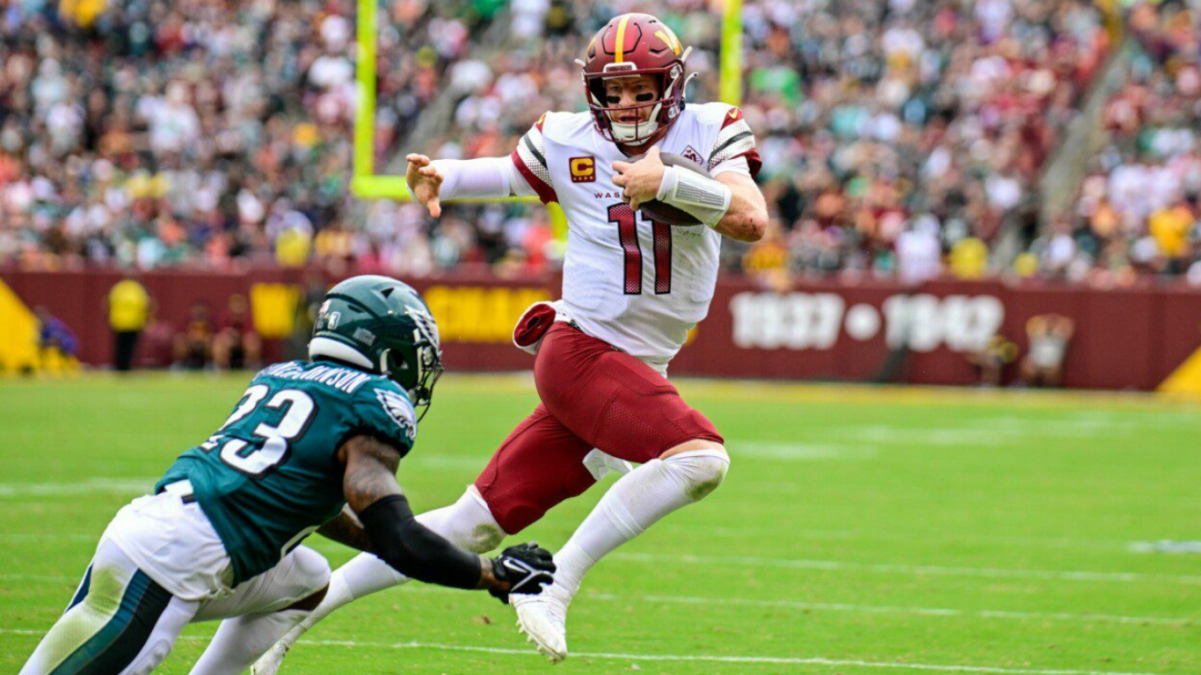
The Shared Origins of Football Games
To understand why American football earned its name, we must travel back to medieval and early modern Europe, where various “football” games involved kicking an inflated ball on foot, as opposed to equestrian sports favoured by the nobility. These informal pastimes varied by region but shared the core idea of propelling a ball toward a goal using feet or hands.
By the mid-19th century in Britain, two main codes emerged. Association football, governed by the Football Association (formed in 1863), emphasised kicking and banned most handling. It became known simply as football or, colloquially via Oxford slang, “soccer” (from “assoc”). Rugby football, named after Rugby School, allowed carrying and running with the ball.
Both were variants of “football.” The term broadly described games played on foot with a ball, not strictly limited to kicking.
How American Football Emerged
These British games crossed the Atlantic in the 19th century. American colleges experimented with their own versions. The first recorded intercollegiate game in 1869 between Rutgers and Princeton used soccer-like rules with a round ball and 25 players per side.
Harvard preferred a rugby-influenced style after playing McGill University in 1874. Over time, a hybrid developed. Walter Camp, often called the “Father of American Football,” introduced key innovations from the 1880s: the line of scrimmage, downs system, 11-player teams, and later the forward pass (legalised in 1906).
By the 1876 college football season, as the sport shifted toward rugby-style rules, it was officially referred to as “football” in rulebooks. Harvard, a rugby proponent, compromised on the name rather than insisting on “rugby.” The game became known as American football or simply football in the US.
Why “Football” Stuck in America
In the United States, American football quickly grew in popularity, especially at universities and later professionally through the NFL. Association football (soccer) remained less prominent. With no strong competing “football” code dominating the landscape, Americans naturally shortened their primary version to “football.”
Meanwhile, in Britain and much of the world, association football became the dominant code and claimed the unqualified name “football.” To avoid confusion elsewhere, “soccer” persisted or gained traction in places like the US, Australia, and Canada where other football variants thrived. Ironically, “soccer” is a British coinage from the late 19th century.
The term “gridiron football” sometimes clarifies the American and Canadian games, referencing the field’s lined pattern resembling a cooking gridiron. Yet domestically, it has always been football.
The Role of Kicking and the Ball
Kicking remains integral to American football—think field goals, punts, and kickoffs—echoing its soccer and rugby ancestry. The ball itself evolved from rounder shapes to the familiar prolate spheroid for better handling and passing. Early versions even used inflated pig bladders.
The name never hinged solely on foot usage. Historical “football” encompassed handling in many forms, much like rugby. The American game simply emphasised carrying and strategy more as rules diverged.
Cultural and Linguistic Divergence
This naming split highlights how language adapts to local contexts. In the UK, “football” unambiguously means soccer, while rugby and American football require qualifiers. In America, context makes “football” clear, with “soccer” distinguishing the global game.
The debate often sparks good-natured (or not-so-good-natured) banter online and in sports media. Yet historically, both sports legitimately claim football heritage. No single code owns the word exclusively; it evolved with the games.
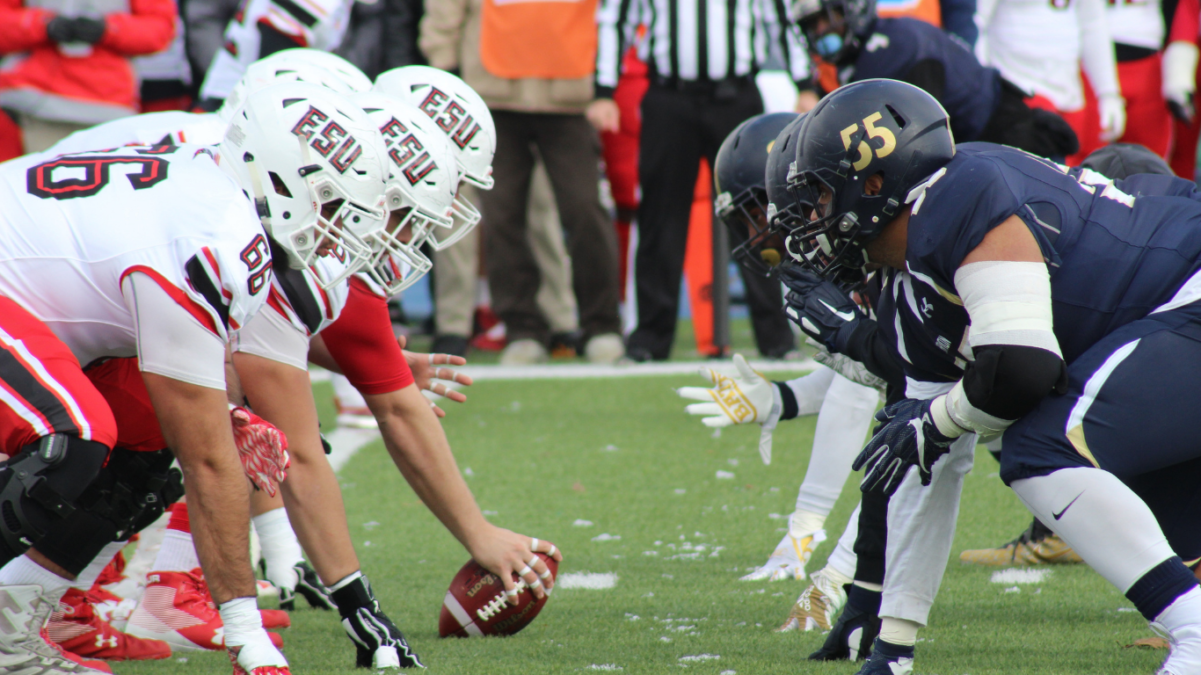
Quick Facts
| Detail | Information |
| Origin | Hybrid of rugby football and association football |
| First US Game | 1869 (Rutgers vs Princeton) |
| Key Innovator | Walter Camp (1880s rules changes) |
| Official “Football” Name | Adopted by 1876 college rules |
| Global Distinction | Called gridiron football or American football internationally |
| Primary Action | Carrying, throwing, tackling with kicking elements |
Conclusion
American football’s name endures because it honours its lineage while carving a distinct identity. The sport has grown into a cultural juggernaut, blending athleticism, tactics, and entertainment. Its global reach expands through the NFL’s international games and fan interest, even as naming conventions spark curiosity.
Understanding this history enriches appreciation for both American football and its cousins. It reminds us that sports, like languages, borrow, adapt, and localise over time.