Few franchises in basketball have mastered the art of the deal quite like the Los Angeles Lakers. For decades, a well-timed Los Angeles Lakers trade has turned promising squads into title contenders and rewritten the balance of power across the NBA. Fans still debate the wisdom of certain swaps years later, yet the results speak for themselves: multiple championships, Hall of Fame careers launched in purple and gold, and a reputation for daring when the moment arrives.
Interest in every major Los Angeles Lakers trade remains high because the team’s front office has repeatedly shown a willingness to part with established talent in pursuit of greatness. From the mid-1970s onwards, these moves have shaped the club’s identity as much as any draft pick or free-agent signing. In the summer of 2026, with Luka Dončić now the clear centrepiece and a new generation of supporting pieces arriving, that tradition continues.
Early Franchise Foundations and the First Landmark Deals
The Lakers began life in Minneapolis before relocating to Los Angeles in 1960. Early success came through stars such as George Mikan, but the franchise’s modern trading philosophy took shape later. One of the earliest transformative moments arrived in 1975 when the Lakers acquired Kareem Abdul-Jabbar from the Milwaukee Bucks. In exchange for Elmore Smith, Brian Winters, Dave Meyers and Junior Bridgeman, Los Angeles secured a dominant centre who would anchor the team for more than a decade.
That deal set a pattern: the Lakers were prepared to send multiple useful players and future assets for a proven superstar. The approach paid immediate dividends as Abdul-Jabbar paired with Magic Johnson, who arrived via the draft in 1979 after earlier asset management had secured the top selection. These foundations created the Showtime era and established the organisation’s reputation for aggressive roster building.
Career-Defining Trades and the Rise of a Dynasty
The 1990s brought another franchise-altering Los Angeles Lakers trade. In 1996 the club sent Vlade Divac to the Charlotte Hornets for the draft rights to a skinny teenager named Kobe Bryant. At the time many observers questioned the wisdom of dealing an established centre for an unproven high-school prospect. History delivered a clear verdict. Bryant became the face of the franchise, winning five championships and cementing his place among the greatest players ever to wear the purple and gold.
A decade later the Lakers struck again. In February 2008 they acquired Pau Gasol from the Memphis Grizzlies in a deal that also involved Kwame Brown, Javaris Crittenton, Aaron McKie, the draft rights to Marc Gasol and future picks. Gasol’s arrival immediately elevated the team. Alongside Bryant and a strong supporting cast, the Lakers reached three consecutive NBA Finals and claimed titles in 2009 and 2010.
The pattern continued into the 2010s and beyond. In 2019 the Lakers obtained Anthony Davis from the New Orleans Pelicans, packaging Brandon Ingram, Lonzo Ball, Josh Hart and multiple first-round picks. Davis and LeBron James delivered the 2020 championship in the Orlando bubble. Each of these moves demonstrated the front office’s willingness to surrender significant assets when a clear path to contention appeared.
Challenges, Setbacks and the Pressure of High Stakes
Not every Los Angeles Lakers trade has been an unqualified success. Some deals that looked promising on paper failed to deliver lasting results, and the pressure of managing a high-profile roster in a demanding market has occasionally produced short-term missteps. Salary-cap constraints, the limited number of tradable first-round picks after consecutive aggressive moves, and the need to keep a championship window open have all created genuine challenges.
The organisation has also faced the natural turnover that comes with an ageing core. When key veterans reach free agency or request changes of scenery, the front office must balance loyalty with long-term planning. Public scrutiny remains intense; every rumour generates headlines and every completed deal faces immediate grading from analysts and supporters alike. Resilience has come from a willingness to adjust course rather than cling to past formulas.
Personal Connections and the Human Side of the Business
While trades are ultimately business decisions, the human element is never far away. Players who arrive via trade often speak of the unique pressure and privilege of joining the Lakers. Those who leave sometimes express mixed emotions about departing a franchise steeped in history. Public statements from both sides are typically measured, focusing on gratitude for past contributions and excitement about new opportunities.
Family considerations, preferred playing styles and championship ambitions all influence decisions behind the scenes. Confirmed reports over the years show that the Lakers organisation has worked to treat departing players with respect, even when the basketball reasons for a move are clear. This approach has helped maintain relationships that occasionally lead to later reunions or positive public commentary.
Later Developments and the Current Direction
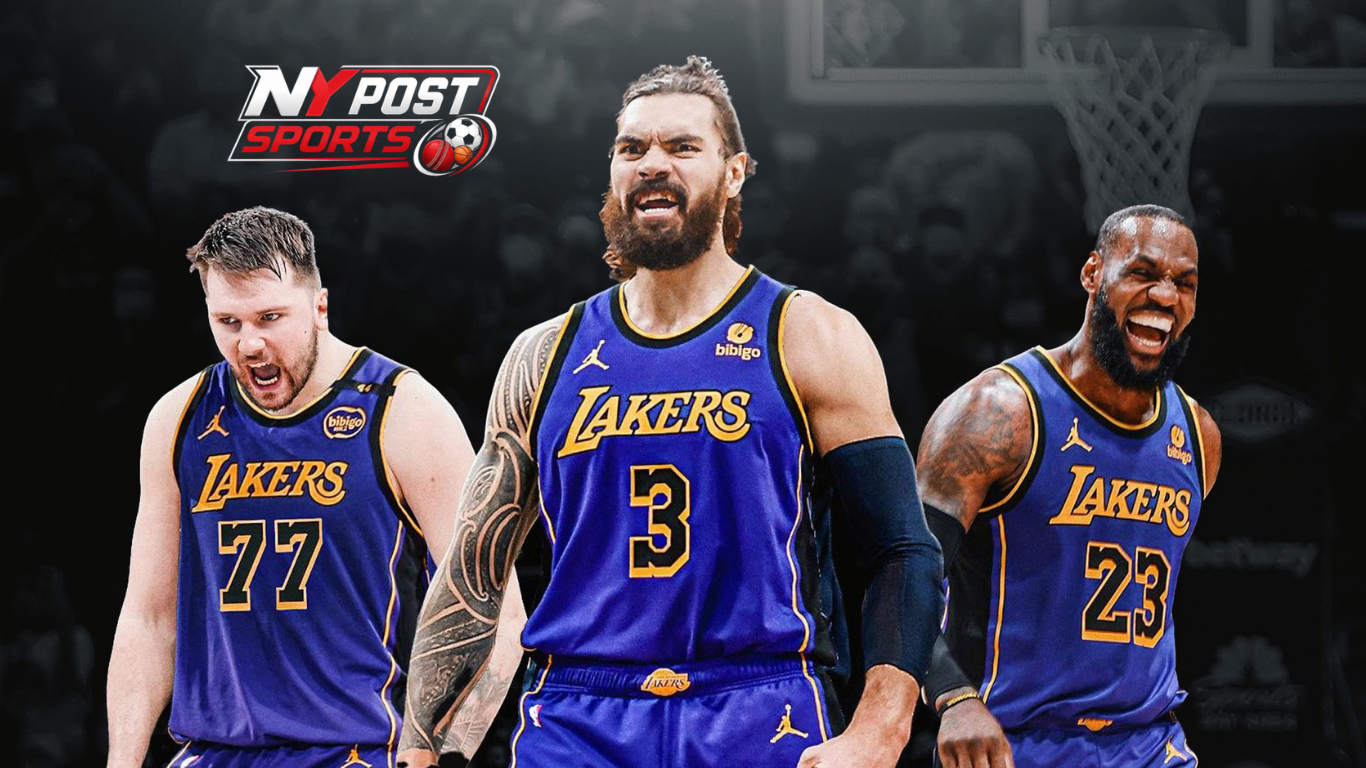
The most dramatic recent chapter arrived in February 2025. In a three-team transaction involving the Dallas Mavericks and Utah Jazz, the Lakers acquired Luka Dončić, Maxi Kleber and Markieff Morris. In return Dallas received Anthony Davis, Max Christie and a 2029 first-round pick, while Utah obtained Jalen Hood-Schifino and second-round selections. The move paired one of the game’s most gifted playmakers with the remaining Lakers core and signalled a clear shift toward a new era.
By the summer of 2026 further changes followed. After LeBron James informed the organisation he would play elsewhere in 2026-27, the Lakers moved quickly. They completed a sign-and-trade with the Utah Jazz that brought centre Walker Kessler to Los Angeles in exchange for unprotected first-round picks in 2031 and 2033 plus first-round swap rights in 2028 and 2030. Shortly afterwards the club sent Deandre Ayton to the Washington Wizards for Jaden Hardy and two second-round selections. Additional free-agent agreements added depth with players such as Collin Sexton, Quentin Grimes, Sandro Mamukelashvili, Kevon Looney and Matisse Thybulle, while Austin Reaves secured a multi-year extension.
These latest transactions illustrate the same principles that guided earlier successes: a readiness to invest significant draft capital for a young, high-upside big man, a willingness to clear salary space, and a focus on surrounding Dončić with complementary talent.
Quick Bio
| Detail | Information |
| Full Name | Los Angeles Lakers |
| Date of Birth | 1947 (as Minneapolis Lakers; relocated 1960) |
| Place of Birth | Minneapolis, Minnesota (original) |
| Nationality | American |
| Profession | Professional basketball franchise |
| Years Active | 1947–present |
| Known For | 17 NBA championships; star-driven roster building |
| Estimated Net Worth | Franchise valuation in the multi-billion range |
Legacy and Lasting Impact
The lasting impact of every major Los Angeles Lakers trade lies in the championships and the culture of ambition they helped create. Abdul-Jabbar, Bryant, Gasol, Davis and now Dončić all arrived through deals that required conviction and calculated risk. The organisation’s willingness to act decisively has influenced how other teams approach roster construction and has given Lakers supporters a narrative of resilience and renewal.
Public perception remains that the Lakers will always chase the highest available ceiling. That expectation can be both a blessing and a burden, yet it has produced some of the most memorable moments in NBA history. Younger executives across the league still study the franchise’s trading record when evaluating their own opportunities.
Conclusion
From the arrival of Kareem Abdul-Jabbar to the more recent acquisition of Luka Dončić and Walker Kessler, the story of the Los Angeles Lakers trade is one of bold decisions, occasional setbacks and repeated reinvention. Each generation of management has faced different constraints, yet the underlying philosophy—identify elite talent and find a way to bring it to Los Angeles—has remained consistent.