
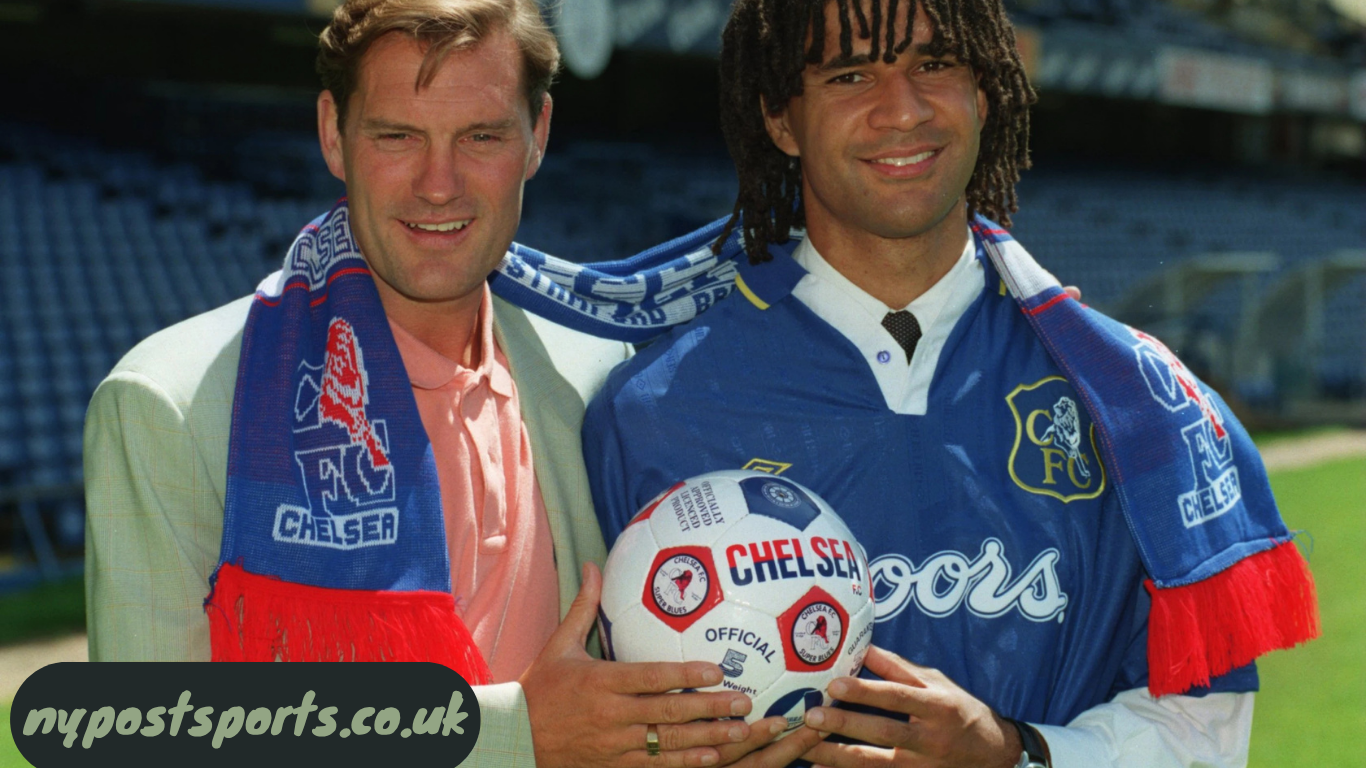
Glenn Hoddle remains one of English soccer’s purest talents, a player whose vision and technique set him apart in an era of physical midfield battles. Born on October 27, 1957, in Harlington, Middlesex, the former Tottenham Hotspur and England star continues to influence the game as a sharp-eyed pundit. At 68, Hoddle’s voice carries weight whenever he analyzes modern tactics, squad selections, or his beloved Spurs. This article revisits his glittering playing days, managerial journey, key statistics, and the latest updates surrounding the man many still call one of England’s finest number 10s.
From White Hart Lane Prodigy to Club Icon
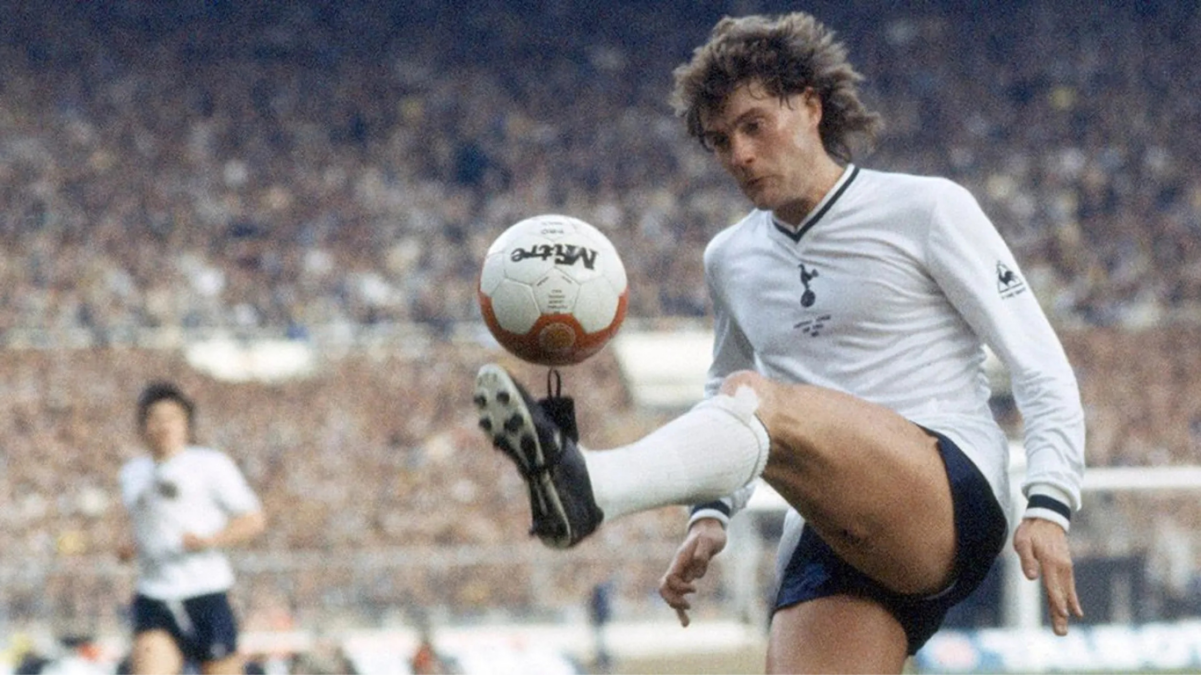
Glenn Hoddle joined Tottenham’s youth ranks in the early 1970s and made his first-team debut as a teenager. Over 12 seasons from 1975 to 1987, he became the creative heartbeat of the side. Standing 6 feet tall with exceptional balance and a wand of a left foot, Hoddle dictated tempo from midfield. He scored spectacular long-range goals and delivered pinpoint through balls that left defenders stranded.
His peak years coincided with Spurs’ success under Keith Burkinshaw. Hoddle helped the club lift the FA Cup in 1981 and retain it in 1982, scoring the winner in the replay against Queens Park Rangers. In 1984, Tottenham claimed the UEFA Cup, though injury kept him out of the final. By the time he left for AS Monaco in 1987, Hoddle had made 490 appearances and scored 110 goals across all competitions—placing him among the club’s all-time greats. Only a handful of players have appeared more often in a Spurs shirt.
In France, under a young Arsène Wenger, Hoddle thrived. He won the French league title in his first season (1987-88) and later the Coupe de France. The move showcased his adaptability and technical excellence on a different stage. Brief spells as a player at Chelsea and Swindon Town followed before he fully transitioned into management.
International Career and the England Chapter
Hoddle earned 53 caps for England and scored eight goals, including one on his debut against Bulgaria in 1979. He featured at the 1982 and 1986 World Cups. Though never a guaranteed starter under every manager, his ability to unlock defenses made him a valuable option.
In 1996 he took charge of the national team after Euro 96. Hoddle guided England to the 1998 World Cup in France. Qualification included a famous goalless draw in Rome against Italy that sealed automatic passage. At the tournament, England reached the round of 16 before falling to Argentina on penalties in a dramatic match that featured David Beckham’s red card. Hoddle’s tenure also delivered victory in Le Tournoi, England’s first tournament success since 1966. His overall managerial record with the Three Lions stood at 17 wins, six draws, and five losses in 28 games—a strong win percentage.
Controversies, including the omission of Paul Gascoigne from the 1998 squad and later public remarks that led to his dismissal in 1999, overshadowed parts of the role. Yet many still regard him as an innovative coach who emphasized technique and tactical flexibility.
Managerial Journey Across English Clubs
Before and after England, Hoddle managed several clubs. As player-manager at Swindon Town he earned promotion to the top flight. At Chelsea (1993-96) he took the Blues to an FA Cup final. Spells at Southampton, a return to Tottenham (2001-03, where he reached a League Cup final), and Wolverhampton Wanderers completed his dugout career. Overall managerial statistics show 532 games with a win rate just under 40 percent.
Since stepping away from full-time management, Hoddle has built a successful media career. He works as a pundit and commentator for ITV Sport and TNT Sports, offering measured analysis on Premier League matches, European competitions, and England fixtures.
Latest Player and Team Updates Involving Glenn Hoddle
In 2026, Hoddle remains a frequent voice on Spurs matters. Earlier this year he publicly offered his services, along with fellow legend Ossie Ardiles, during a difficult period before Roberto De Zerbi’s arrival. He has commented on Tottenham’s summer transfer activity, at times criticizing past leadership while acknowledging positive shifts in the club’s approach.
On the international front, Hoddle weighed in on Thomas Tuchel’s England World Cup squad selections, questioning the preference for experience over emerging talent such as Adam Wharton. He has also wished the current England side well ahead of major matches, drawing on his own experiences of leading the team out at a World Cup. Monaco marked his 68th birthday with a warm tribute recalling his elegant contributions in the late 1980s.
These appearances keep Hoddle connected to the modern game while reminding fans of the standards he set as a player.
Key Statistics That Define Glenn Hoddle
- Tottenham Hotspur: 490 appearances, 110 goals (one of only 18 players to reach the century mark for the club)
- England: 53 caps, 8 goals
- Major honors as player: Two FA Cups, one UEFA Cup, French league title with Monaco
- Managerial record: Approximately 209 wins in 532 games across clubs and country
- PFA Young Player of the Year: 1979-80
- English Football Hall of Fame: Inducted 2007
These numbers only partially capture his influence. Contemporaries often praised the way he saw the game two or three passes ahead.
Players to Watch Through the Hoddle Lens
Modern creative midfielders invite natural comparisons. Fans and pundits sometimes measure players such as James Maddison or emerging talents against Hoddle’s blend of vision and technical security. Hoddle himself has highlighted young English midfielders who receive the ball under pressure and progress play cleanly—qualities he embodied. When discussing squad selection, he has stressed the value of players comfortable in tight spaces who can dictate tempo rather than simply cover ground.
For Tottenham supporters, any new attacking midfielder arriving at the club inevitably faces the “next Hoddle” question, even if the game has evolved. His emphasis on technique over pure athleticism continues to shape how supporters evaluate talent.
Expert Analysis: Why Hoddle’s Style Still Matters
Glenn Hoddle played in a time when English midfielders were often expected to win tackles first and create second. He reversed that priority without sacrificing contribution. His first touch was soft, his range of passing exceptional, and his ability to score from distance made him a constant threat. Coaches who value possession and progressive play still study similar profiles.
As a manager he favored organized, technically proficient teams. His England side prepared meticulously, and the Rome qualifier remains a textbook example of disciplined away performance. Critics sometimes labeled him a “luxury” player during his career, yet the trophy cabinet and longevity at the highest level proved otherwise.
In today’s data-driven era, Hoddle’s eye for talent and tactical nuance remains relevant. His recent comments on squad balance and the need for experienced leaders alongside youth echo conversations happening at clubs across the Premier League.
FAQs
1. What clubs did Glenn Hoddle play for?
Tottenham Hotspur, AS Monaco, Chelsea, and Swindon Town.
2. How many goals did Glenn Hoddle score for Tottenham?
He scored 110 goals in 490 appearances for Spurs.
3. Did Glenn Hoddle manage England at a World Cup?
Yes. He led England to the 1998 World Cup, where they reached the round of 16.
4. What is Glenn Hoddle doing now in 2026?
He works as a television pundit and commentator for ITV Sport and TNT Sports.
5. Is Glenn Hoddle in the English Football Hall of Fame?
Yes. He was inducted in 2007.
Conclusion
Glenn Hoddle’s story spans more than four decades of English soccer. From a gifted teenager at White Hart Lane to a successful club and international manager, and now a respected media voice, he has left an indelible mark. His playing style rewarded intelligence and technique, qualities that still resonate with supporters and coaches. As Tottenham and England continue to evolve, Hoddle’s insights and legacy provide both nostalgia and practical guidance. Whether analyzing a current match or recalling a classic goal, the name Glenn Hoddle continues to command attention—and rightfully so.