

College basketball lines are already drawing serious attention even though tip-off remains weeks away. With the 2026-27 season still in the preseason phase, sportsbooks have posted early championship futures, conference odds, and player props that reflect one of the most fluid offseasons in recent memory. Roster retention, five-for-five eligibility rulings, high-profile transfers, and returning stars have created a volatile market where lines shift almost weekly.
For bettors tracking college basketball lines, this is prime time to study value before the November slate begins. Point spreads, moneylines, and totals will dominate daily cards once games tip, but the early futures market offers the clearest snapshot of how oddsmakers currently rank the field. Florida sits as the consensus favorite in most books, with Duke, Illinois, and UConn close behind. Those rankings are not static. Every portal commitment and eligibility decision has moved the numbers.
Latest Player and Team Updates Shaping the Lines
The biggest story remains Florida’s loaded roster. The Gators return a dominant frontcourt featuring Thomas Haugh, Alex Condon, and Rueben Chinyelu. Haugh’s decision to return instead of entering the NBA draft instantly solidified Florida as the team to beat. Oddsmakers responded by shortening the Gators’ championship odds across multiple books. Boogie Fland and Urban Klavzar provide backcourt continuity, while incoming pieces such as Kentucky transfer Denzel Aberdeen and size additions give Todd Golden unusual depth.
Duke remains a strong second in most preseason projections. The Blue Devils return key pieces including Patrick Ngongba, Caleb Foster, and Dame Sarr while adding Wisconsin transfer John Blackwell and high-upside freshmen. Jon Scheyer’s teams consistently finish near the top of KenPom rankings, and that reliability keeps Duke’s lines tight in futures markets.
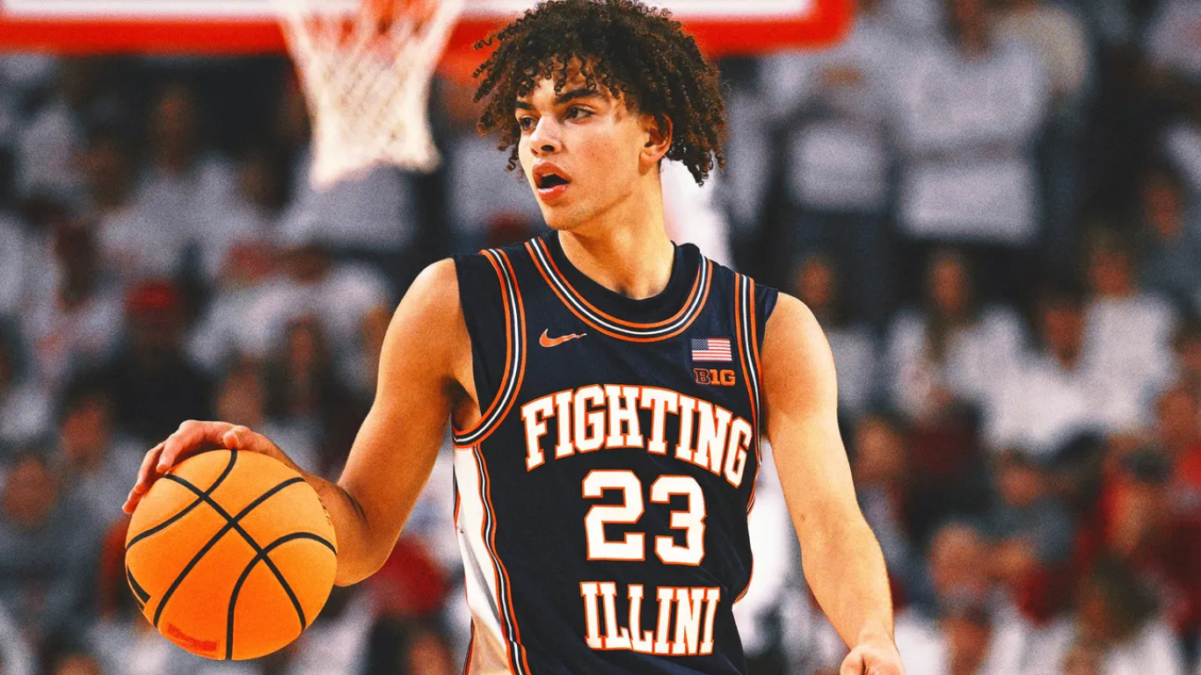
Illinois, coming off a Final Four run, retains a strong core built around David Mirkovic, Andrej Stojakovic, and the Ivisic brothers. Providence transfer Stefan Vaaks adds scoring punch. Michigan State, UConn, and Louisville have also moved up in various rankings after strong portal work. Louisville’s addition of former UNC guard Seth Trimble provided a noticeable boost in early Top 25 projections and corresponding odds movement.
On the eligibility front, the five-for-five window created by court rulings has allowed several veterans a fifth season. Notable movers include Darrion Williams returning to Texas Tech, Keyshawn Hall heading to St. John’s, and Mark Mitchell’s situation involving Kentucky drawing scrutiny under SEC intra-conference rules. These additions have lengthened or shortened specific team lines depending on the fit.
Preseason Outlook and How Lines Are Forming
College basketball lines in the futures market currently reflect roster continuity more than pure recruiting rankings. Teams that kept productive upperclassmen and supplemented with targeted transfers sit higher than those undergoing full rebuilds. Florida’s combination of proven production and size gives it the shortest championship number at most shops. Duke’s depth and coaching consistency keep it close. Illinois and UConn offer slightly longer prices that some bettors view as value.
Conference odds follow a similar pattern. The SEC and Big Ten are expected to produce the largest number of NCAA Tournament teams, which influences how books price regular-season win totals and conference tournament futures. Early non-conference matchups will provide the first real tests of these lines once November arrives. Look for high-profile neutral-site games to generate significant early action and line movement as public money pours in on name brands.
Point spreads during the regular season typically open based on efficiency metrics, home-court advantage (usually 2.5 to 3.5 points in college basketball), and recent form. Totals often settle in the mid-140s to low-160s depending on tempo and defensive identity. Moneyline prices favor heavy favorites more sharply than in the NBA because of the wider talent gaps across Division I.
Key Statistics Driving Early Market Sentiment
Several data points stand out when evaluating current college basketball lines:
- Florida returns multiple double-digit scorers and elite rebounding from its frontcourt, giving it one of the highest projected offensive and defensive efficiency marks.
- Duke’s recent KenPom finishes under Scheyer average near the top three nationally, supporting short futures odds.
- Transfer portal activity remains elevated, with hundreds of players still sorting destinations as of late August.
- Championship futures often open with the favorite in the +400 to +700 range and stretch to long shots beyond +10000 for bubble teams.
- Home teams in college basketball have historically covered at rates that make the 3-point home edge a reliable starting point for oddsmakers.
These numbers help explain why lines move on roster news more dramatically in August and September than they will once games begin and results replace projections.
Players to Watch Who Will Influence Daily Lines
Several individuals figure to impact both team performance and betting markets once the season starts.
Thomas Haugh of Florida is the clearest national player of the year candidate in many early rankings. His two-way impact and decision to return immediately tightened Florida’s championship number. Rueben Chinyelu’s rebounding and interior presence further strengthen the Gators’ ceiling.
At Duke, Patrick Ngongba and the backcourt duo of Caleb Foster and John Blackwell will dictate tempo and defensive identity. Any early-season dominance from that group will keep the Blue Devils’ lines short.
David Mirkovic and Andrej Stojakovic give Illinois two versatile scorers who can create mismatches. Their production will heavily influence whether the Illini stay in the top tier of futures or slide.
Other names worth monitoring include Keyshawn Hall at St. John’s, Darrion Williams at Texas Tech, and various high-upside freshmen at Kansas and Arizona. Freshman impact often creates the sharpest early-season line adjustments as oddsmakers recalibrate after the first few weeks.
Expert Analysis: Where Value May Exist
Experienced bettors treat early college basketball lines as informational rather than definitive. Futures markets are inefficient compared with daily game lines because of the long time horizon and roster uncertainty. Florida’s short price reflects real strength, yet the Gators still must navigate a brutal SEC schedule and potential injury risk. Taking longer shots on teams like Illinois or a well-constructed mid-major with elite efficiency can offer better risk-reward for season-long tickets.
When regular-season lines open, sharp bettors will focus on tempo, three-point variance, and coaching adjustments. College basketball’s higher variance compared with the NBA means live betting and alternate spreads often provide better edges than closing numbers. Public bias toward blue-blood programs frequently creates value on the other side, especially in non-conference games against mid-majors that play disciplined defense.
Injury news and lineup confirmation remain critical. A single key absence can move a spread by 3 to 6 points in this sport. Tracking practice reports and official availability in the hours before tip-off separates recreational players from those who consistently find value.
FAQs
What are college basketball lines?
College basketball lines refer to the betting odds offered by sportsbooks, including point spreads, moneylines, and over/under totals for individual games, plus futures for championships, conference titles, and awards.
When do college basketball lines typically open for the season?
Futures markets appear in the spring and summer. Full daily game lines begin appearing in late October or early November as the season approaches, with continuous updates once games tip.
How do point spreads work in college basketball?
The favorite is assigned a negative number (for example, -6.5) and must win by more than that margin to cover. The underdog receives the points and covers by winning outright or losing by fewer than the spread.
Why do college basketball lines move more than NBA lines?
Roster uncertainty, less sophisticated public information, higher variance from three-point shooting, and stronger home-court effects contribute to larger and more frequent movements.
What is the best way to approach early college basketball lines?
Focus on roster continuity, efficiency metrics, and coaching stability for futures. For daily games, shop multiple books, track line movement, and account for public bias toward popular programs.
Conclusion
College basketball lines for the 2026-27 season already reflect a fascinating landscape shaped by retention, portal activity, and eligibility rulings. Florida enters as the team to beat, with Duke, Illinois, and several other contenders positioned to challenge. Bettors who study roster construction, historical efficiency trends, and early market inefficiencies will be best prepared when November arrives and daily cards fill with spreads, totals, and moneylines.