
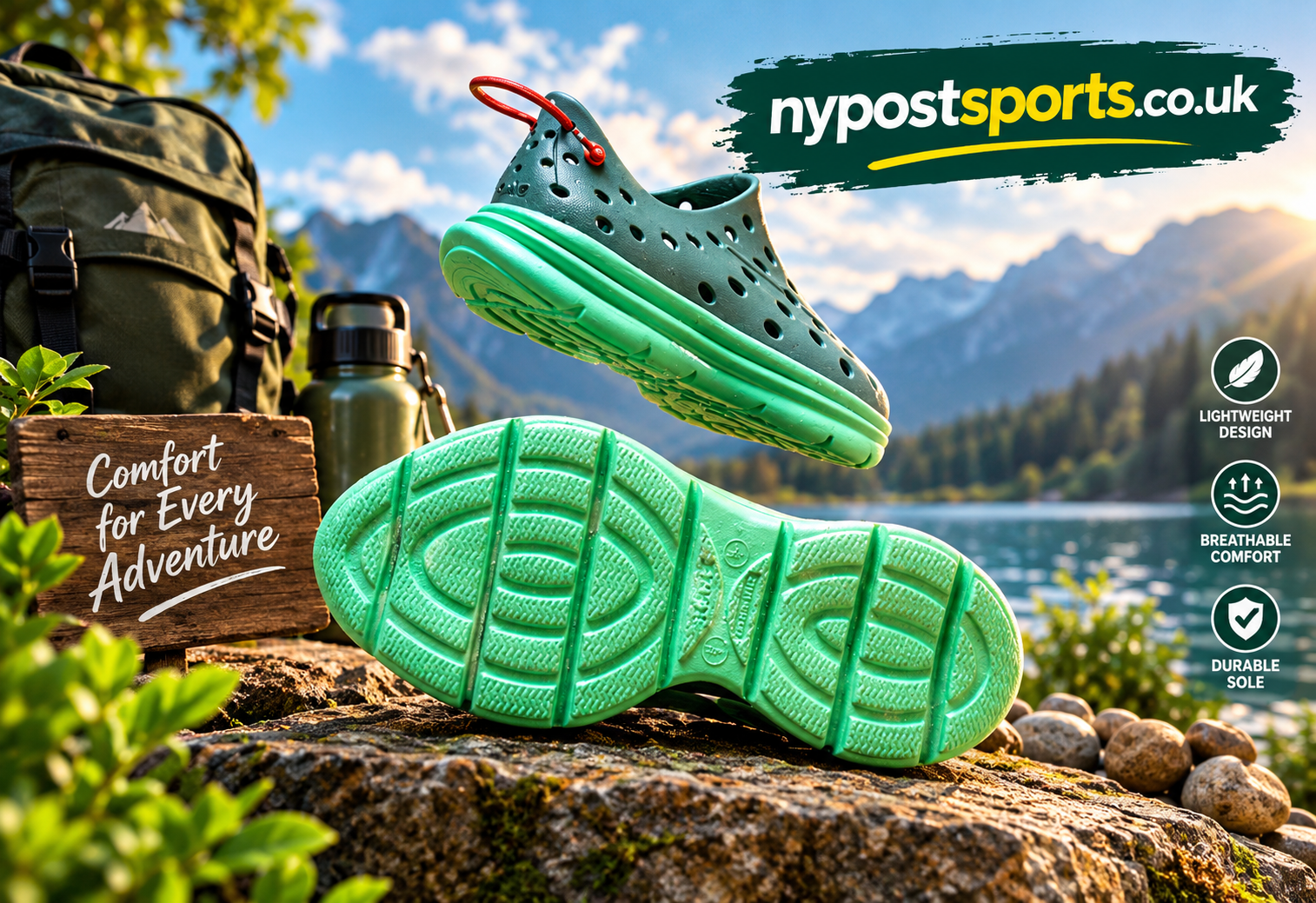
Kane’s shoes have quickly become one of the most talked-about pieces of athletic gear in locker rooms across the NFL, college football, basketball, and beyond. These aren’t game-day cleats or traditional training sneakers. Kane Footwear’s active recovery shoes, led by the popular Revive models, are designed specifically for the hours after practice, games, and workouts when athletes need to reduce fatigue, promote circulation, and prepare their bodies for the next session.
Founded in 2021 by former professional lacrosse player John Gagliardi, Kane Footwear set out to improve on the basic slides and flip-flops that athletes had long relied on. The result is a line of sustainably made, doctor-designed shoes that blend performance recovery features with everyday wearability. From NFL defensive ends to college wide receivers and even celebrities like Drake, Kane’s shoes have earned a reputation as essential recovery tools.
What Makes Kane’s Shoes Different?
Kane’s flagship product, the Revive, and its follow-ups such as the Revive AC (All-Conditions) and the open-back Revive OB, stand out because of their purposeful design. Developed in collaboration with board-certified foot and ankle surgeon Dr. Daniel Geller, the shoes incorporate several recovery-focused elements.
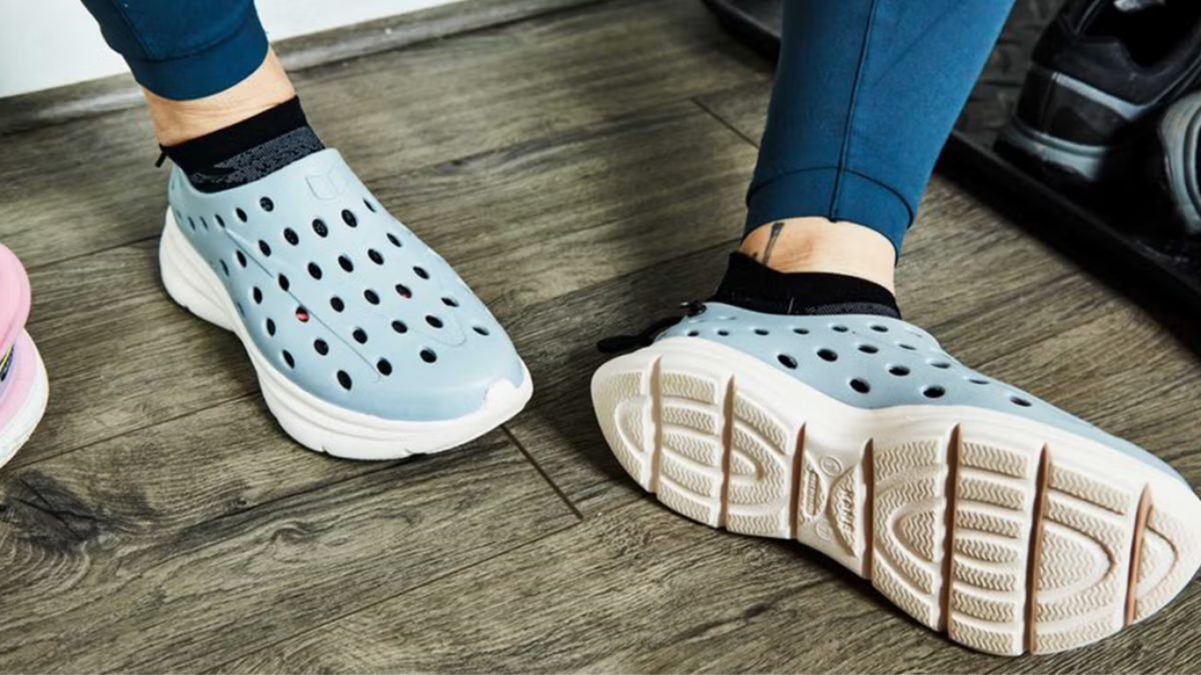
Raised footbed nodes massage key pressure points and help stimulate blood flow. Dual-density RestoreFoam, made from Brazilian sugarcane, delivers cushioning and energy return while remaining lightweight and quick-drying. Exterior perforations and interior channels promote airflow. The anatomical last design supports the heel, arch, and instep for a secure yet comfortable fit. Oversized channels and siped soles provide flexibility and traction for moving around the facility, traveling, or walking after a hard session.
Unlike traditional recovery slides, Kane’s shoes offer a more structured, closed or semi-closed silhouette that still slips on easily. Many versions are fully washable and machine-washable on cold, making them practical for daily use in sweaty locker rooms or after beach sessions. Sustainability is another core focus: the bio-based foam helps reduce the carbon footprint compared with conventional EVA materials, and the company operates as a Certified B Corporation and 1% for the Planet member.
Latest Player and Team Updates
Kane Footwear continues expanding its presence in professional and collegiate sports. In 2026 the brand signed its first official NFL athlete partnership with Houston Texans defensive end Will Anderson Jr., the 2023 Defensive Rookie of the Year. Anderson had already been using the Revive models in his personal recovery routine before the formal deal, calling the shoes an integral part of staying healthy between games and practices.
College programs have embraced co-branded versions heavily. Licensing deals cover more than two dozen schools, including powerhouses such as Alabama, Clemson, Georgia, and USC. Recent drops include refreshed college collections and new school colorways aimed at student-athletes. High school, flag football, and club programs are also adopting the shoes as recovery standards.
On the professional side, Kane shoes have appeared in NFL locker rooms featured on Hard Knocks, including with the Chicago Bears and Detroit Lions. Detroit Lions head coach Dan Campbell and Buffalo Bills quarterback Josh Allen have been spotted in them. NBA and other pro athletes have similarly integrated the footwear into post-practice routines. The brand’s organic growth—driven by trainers and equipment managers requesting pairs rather than traditional cold outreach—underscores its grassroots appeal among performance staffs.
Recent product news includes the launch of the Revive OB open-back model, designed for quicker on-and-off moments between activities, and the weather-ready Revive AC with a natural rubber outsole and thermal cuff for year-round use. Limited collaborations, such as with Huckberry, and celebrity sightings continue to broaden visibility beyond pure sports circles.
Key Statistics and Market Growth
Kane Footwear has reported triple-digit year-over-year growth since its founding. Revenue has more than tripled in multiple years, with distribution expanding to Dick’s Sporting Goods, Nordstrom, Scheels, and hundreds of independent retailers. The company has added more than 200,000 new customers in recent periods and grown its employee base substantially.
The broader recovery footwear market, valued in the low teens of billions a few years ago, is projected to approach or exceed $25–29 billion by the early 2030s. Kane’s positioning as a performance-oriented recovery specialist has helped it capture attention in a category once dominated by generic foam slides. Online reviews frequently cite 4.8-star averages across tens of thousands of customer ratings, with athletes and everyday users alike praising reduced foot fatigue and next-day readiness.
Players to Watch Wearing Kane’s Shoes
Several athletes currently highlight the brand’s relevance:
- Will Anderson Jr. (Houston Texans): The first official NFL partner, emphasizing recovery as key to consistent high-level play.
- College standouts across SEC and other Power conferences wearing school-branded Revives as part of team recovery protocols.
- Influencers and multi-sport athletes who document post-workout routines featuring Kane models, amplifying visibility among younger fans and weekend warriors.
- NFL and NBA strength staffs who stock the shoes for broader team use.
These athletes treat Kane’s shoes as equipment rather than casual wear, using them immediately after sessions to begin the recovery process while still mobile.
Expert Analysis: Why Recovery Footwear Matters Now
Modern sports science places increasing emphasis on recovery as a performance multiplier. Sleep, nutrition, mobility work, and soft-tissue care receive major attention; footwear that actively supports circulation and reduces residual fatigue is a logical next layer. Kane’s design philosophy treats the post-activity period as an opportunity rather than downtime.
Sports medicine professionals note that prolonged standing or walking in minimal footwear after intense loading can contribute to lingering soreness and slower readiness. Features like targeted underfoot stimulation and supportive cushioning address this gap without requiring athletes to sit idle. The washable, durable construction also solves practical issues of hygiene and longevity in high-use environments.
From a brand perspective, Kane has avoided competing head-on with traditional performance or lifestyle sneaker giants. Instead it carved a niche at the intersection of recovery science and wearable comfort. Organic adoption by elite athletes provided social proof that marketing dollars alone cannot buy. Continued expansion into open-back and all-conditions models shows the company is listening to athlete feedback while scaling production and retail presence.
Potential challenges include category competition from established players introducing their own recovery mules and slides, plus the need to educate casual consumers that these are purpose-built tools rather than fashion foam shoes. So far, the combination of athlete endorsement, measurable comfort claims, and sustainability messaging has sustained strong momentum.
Match Preview or Recap Context
While Kane’s shoes are not worn during competition, their role is most visible in the lead-up to and aftermath of high-stakes games. Ahead of NFL weeks or major college matchups, teams emphasize recovery protocols that include proper post-practice footwear. After hard-fought contests—think physical defensive battles or multi-score shootouts—athletes reach for recovery tools immediately. Kane models frequently appear in those transitional moments, whether players are walking the sidelines post-game, boarding team buses, or starting light recovery movement the next morning. In that sense, the shoes form part of the unseen preparation that influences availability and performance over a long season.
FAQs About Kane’s Shoes
1. What are Kane’s shoes primarily used for?
They are active recovery shoes designed for wear after workouts, practices, and games to support foot and leg recovery through cushioning, stimulation of blood flow, and anatomical support.
2. Are Kane’s shoes only for professional athletes?
No. While widely used by NFL, NBA, and college athletes, they are popular with recreational runners, gym-goers, parents on their feet all day, and anyone seeking comfortable post-activity footwear.
3. How do Kane’s shoes differ from regular slides or Crocs-style shoes?
Kane models incorporate doctor-designed recovery features such as raised footbed nodes, dual-density bio-based foam, and structured support rather than purely casual foam construction. Many are closed or semi-closed for better security and year-round usability.
4. Are the shoes sustainable?
Yes. The primary material, RestoreFoam, is derived from renewable Brazilian sugarcane. Kane is a Certified B Corporation and participates in 1% for the Planet initiatives.
5. Where can I buy Kane’s shoes and what is the typical price range?
They are available at kanefootwear.com, major sporting goods retailers such as Dick’s, and select department stores. Pricing generally falls in the $75–$125 range depending on the model and any current collaborations or college editions.
Conclusion
Kane’s shoes have moved from niche recovery option to mainstream athletic essential in a relatively short time. By focusing on the overlooked hours between training sessions and competitions, the brand filled a practical need for athletes at every level. Strong organic adoption by professionals, expanding college partnerships, thoughtful product evolution, and a commitment to sustainable materials position Kane Footwear for continued relevance.