
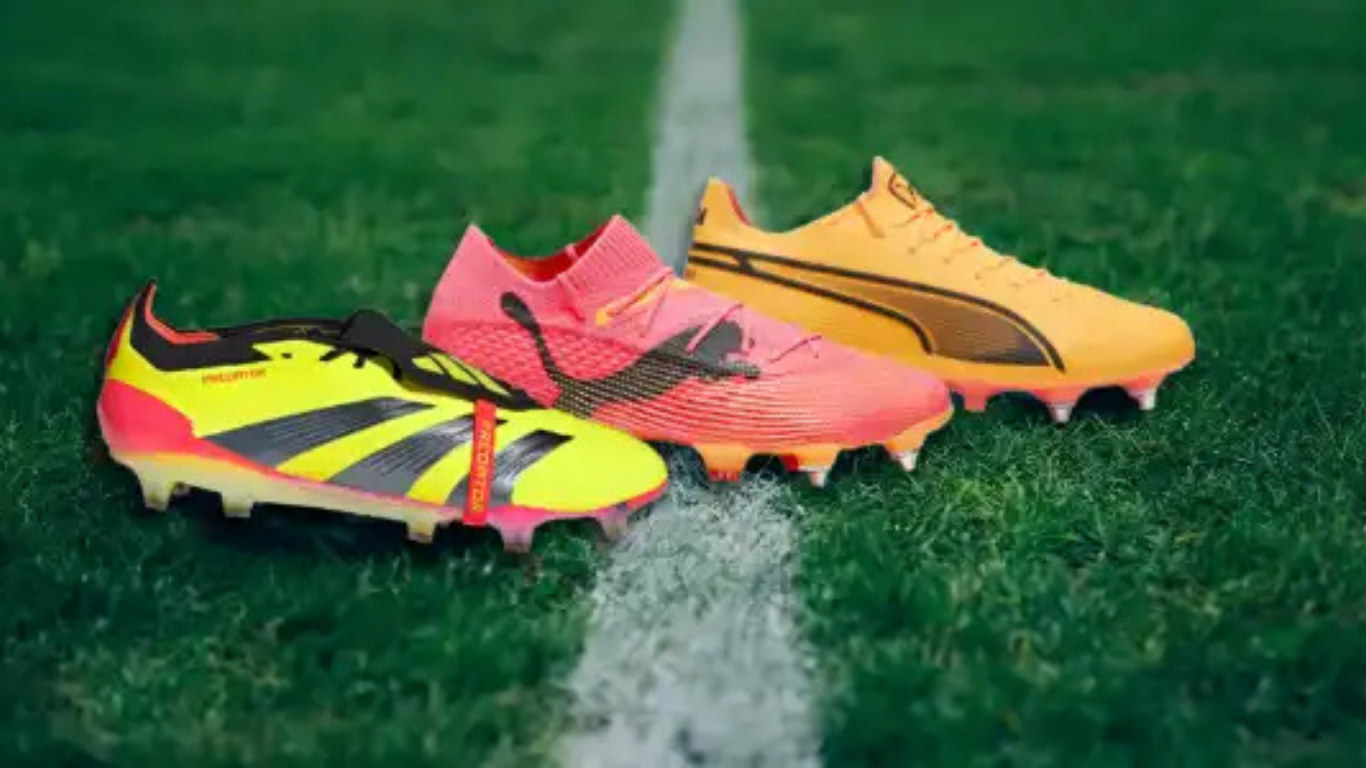
Artificial surfaces have transformed modern soccer. Across grassroots leagues, academy training grounds, and even some professional facilities, 4G pitches now dominate. These fourth-generation synthetic fields deliver consistent play year-round, but they demand specialized footwear. Enter 4G pitch boots—boots engineered specifically for the firm, abrasive nature of artificial grass.
Choosing the wrong pair can lead to reduced traction, faster wear, or higher injury risk. The right 4G pitch boots, however, provide balanced grip, joint protection, and lasting comfort. This guide covers everything players need to know in 2026, from the latest models and player updates to statistics, expert analysis, and practical advice.
What Makes 4G Pitches Unique?
4G pitches feature denser synthetic fibers compared to earlier 3G surfaces. They often lack traditional rubber crumb infill or use advanced performance layers, creating a firmer, more consistent surface. The result is faster ball movement and higher friction underfoot.
Standard firm-ground (FG) boots with longer studs can dig in too aggressively. This raises the chance of “stud lock,” where the boot grips while the body rotates, stressing knees and ankles. Soft-ground metal studs are banned at most facilities because they damage the surface.
Artificial grass (AG) boots solve these issues. They typically use shorter, rounded or conical studs—often 14 to 25 contact points—and reinforced soleplates built for abrasion. Multi-ground (MG) or FG/AG hybrids offer flexibility for players who switch surfaces, while pure turf (TF) options suit older, shorter-pile pitches.
Latest Player and Team Updates
Professional and academy players increasingly train and compete on synthetic surfaces. In the 2025-26 season, many clubs expanded 4G facilities for midweek sessions and youth development. Brands responded with expanded AG lines.
Nike’s latest Mercurial and Phantom AG-Pro models continue to appear in training photos of high-profile speed players. Adidas has refined the Predator Elite AG with Controlframe soleplates optimized for synthetic traction. Puma’s Ultra and Future ranges in AG and FG/AG configurations remain popular among agile attackers. Independent brands such as Sokito have gained traction with the Scudetta BioTouch AG, praised for comfort and reduced stud pressure on hard surfaces.
Youth academies and lower-league teams now routinely specify AG boots for home fixtures on upgraded 4G grounds. This shift has pushed manufacturers to prioritize durability and pressure distribution in new releases.
Match Preview and Surface Considerations
While top-flight matches still largely occur on natural or hybrid grass, many cup ties, friendlies, and developmental games take place on 4G. Preview any fixture by checking the surface. On a well-maintained 4G pitch, AG boots deliver reliable acceleration out of turns and cleaner ball contact.
Players who arrive in FG boots often report early fatigue or hesitation on direction changes. Those in proper 4G pitch boots maintain confidence through 90 minutes. Weather also matters less on synthetic surfaces, but residual moisture can increase friction, making sock choice and boot fit even more critical.
Key Statistics on Performance and Safety
Research and manufacturer testing highlight clear differences. AG soleplates with higher stud counts distribute body weight more evenly, lowering peak pressure points on harder surfaces. Shorter studs (typically 8-10 mm) reduce rotational resistance compared with longer FG configurations.
Wear rates increase dramatically when FG boots are used regularly on artificial turf. The abrasive fibers grind down longer studs faster, while AG plates last longer thanks to reinforced materials. Injury data from grassroots and academy settings consistently shows lower rates of ankle and knee issues among players who match footwear to surface.
Weight remains a focus. Elite AG models often sit in the 190-220 g range (UK size 9), preserving speed without sacrificing stability. Upper materials have also evolved—Gripknit, Controlskin, and bio-based synthetics improve ball feel while resisting the higher friction of 4G.

Players to Watch and Boot Preferences
Speed-oriented forwards favor lightweight AG options such as recent Mercurial or Ultra models for explosive first steps. Creative midfielders often prefer control-focused designs like Phantom or Predator AG variants that enhance touch and stability during tight spaces.
Defenders and holding midfielders benefit from boots with stronger midfoot lockdown and more studs under the heel for planting and recovery runs. Leather or hybrid uppers remain popular among traditionalists seeking a soft touch on synthetic surfaces.
Watch for academy graduates who transition seamlessly between 4G training and grass matches. Their consistent footwear choices often signal the practical advantages of dedicated AG or hybrid soleplates.
Expert Analysis: Choosing the Right 4G Pitch Boots
The golden rule is simple: match the soleplate to the surface you play on most. If more than 70 percent of your sessions occur on 3G or 4G, invest in true AG boots. Occasional FG use on modern softer 4G is possible, but regular use increases joint stress and shortens boot life.
Look for these features:
- Shorter, predominantly conical studs that release cleanly.
- Higher stud count for pressure distribution.
- Reinforced soleplate to handle abrasion.
- Secure midfoot and heel fit to limit internal movement.
- Breathable yet durable upper materials.
Fit is non-negotiable. Try boots later in the day when feet are slightly swollen. Pair them with quality grip socks designed for artificial surfaces to minimize blister risk and improve stability. Clean rubber or plastic studs after every session—infill and debris accelerate wear.
Budget options exist at academy and club levels, but elite models deliver noticeable differences in responsiveness and longevity for serious players. Hybrid FG/AG plates work well for those who split time between surfaces, provided the stud geometry is not overly aggressive.
Frequently Asked Questions
1. Can I wear firm-ground boots on a 4G pitch?
Occasional use on newer, softer 4G surfaces is possible, but regular wear is discouraged. Longer FG studs increase rotational traction and injury risk while wearing down faster.
2. What is the difference between AG and TF boots?
AG boots feature molded studs for modern 3G and 4G pitches with longer pile. TF (turf) boots use dense rubber nubs suited to older, shorter artificial surfaces or indoor play.
3. Do 4G pitch boots work on natural grass?
Many AG and MG models perform adequately on firm natural grass, but dedicated FG boots usually offer better penetration and feel on soft or muddy pitches.
4. How often should I replace 4G pitch boots?
Inspect studs and soleplates regularly. Heavy use on abrasive surfaces may require replacement every season or sooner if traction declines or the upper shows significant wear.
5. Are metal studs allowed on 4G pitches?
No. Most facilities ban metal studs and blades because they damage the synthetic fibers and raise safety concerns.
Conclusion
4G pitch boots are no longer optional for players who train and compete regularly on artificial surfaces. The right pair delivers confident grip, reduced joint stress, and better longevity in an environment that demands more from footwear than natural grass.
In 2026, brands continue refining AG and hybrid designs with lighter materials, smarter stud layouts, and improved uppers. Whether you prioritize pure speed, precise control, or all-around durability, options exist across price points. Prioritize surface match, proper fit, and consistent maintenance. The investment pays off in sharper performance, fewer niggles, and more enjoyable sessions on the modern game’s dominant training surface.