
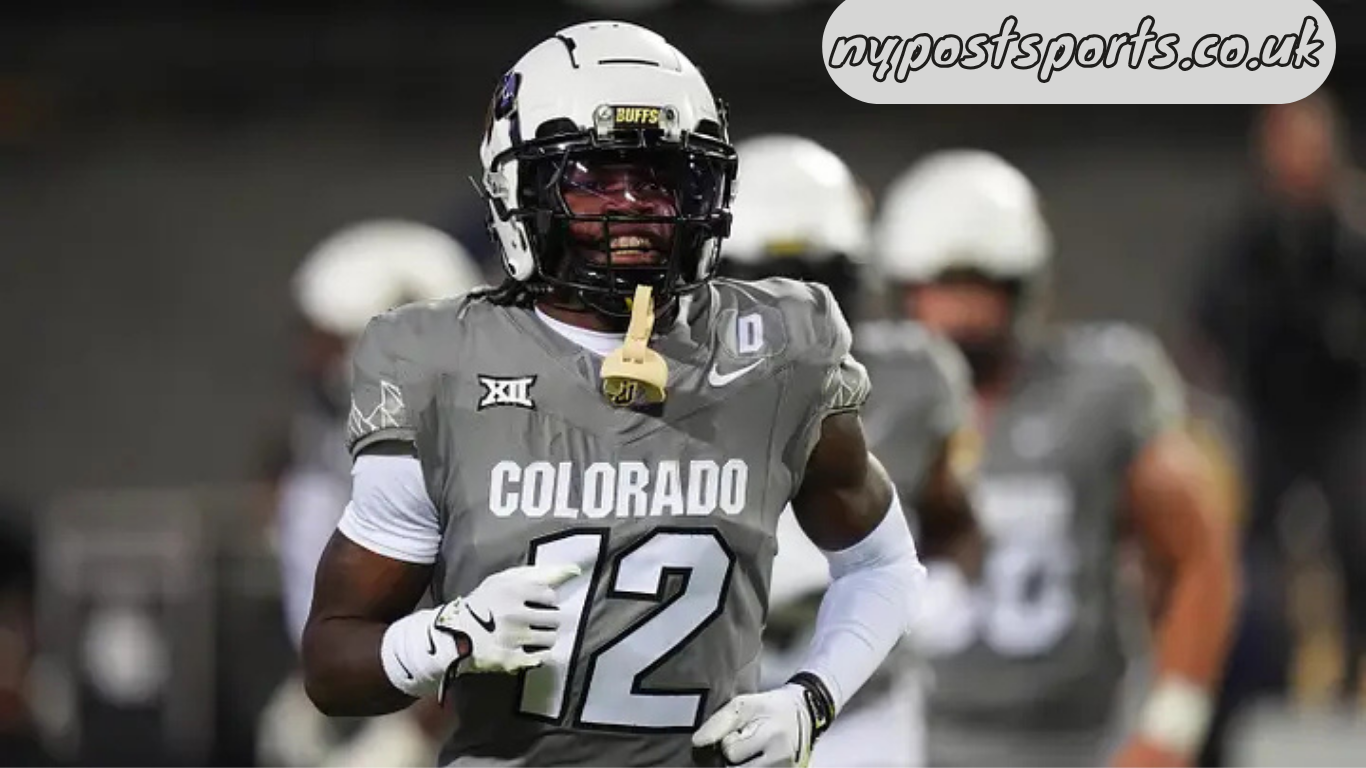
Travis Hunter remains one of the most intriguing names in fantasy football. The former Heisman Trophy winner and No. 2 overall pick in the 2025 NFL Draft entered the league as a rare two-way talent capable of impacting games on both offense and defense. For fantasy managers, that dual-threat profile created massive upside in his rookie year. Heading into 2026, however, the picture has shifted.
Recent training camp reports show the Jacksonville Jaguars leaning heavily into Hunter’s defensive skills. Offensive snaps have dwindled, and his fantasy value has dropped accordingly. Still, the athletic upside that made him a college superstar has not disappeared. This article breaks down the latest player and team updates, key statistics, players to watch around him, expert-style analysis, and practical advice for 2026 drafts.
Latest Travis Hunter and Jacksonville Jaguars Updates
Hunter is fully healthy after a season-ending LCL tear in his right knee that limited him to seven games in 2025. He underwent surgery in mid-November and spent the offseason adding roughly 10 pounds of muscle while improving his top speed. Reports from camp indicate he has been clocked near 22.6 mph and feels faster than ever.
The bigger story for fantasy purposes is usage. Multiple reports from training camp and joint practices show Hunter taking the large majority of his snaps on defense. On one recent Sunday, he logged all 20 of his 11-on-11 team snaps at cornerback. In a joint practice, the split was approximately 28 defensive snaps and just two offensive snaps. Overall camp numbers have skewed heavily toward defense (roughly 183 defensive snaps versus 65 offensive in one tracking period, excluding joint work).
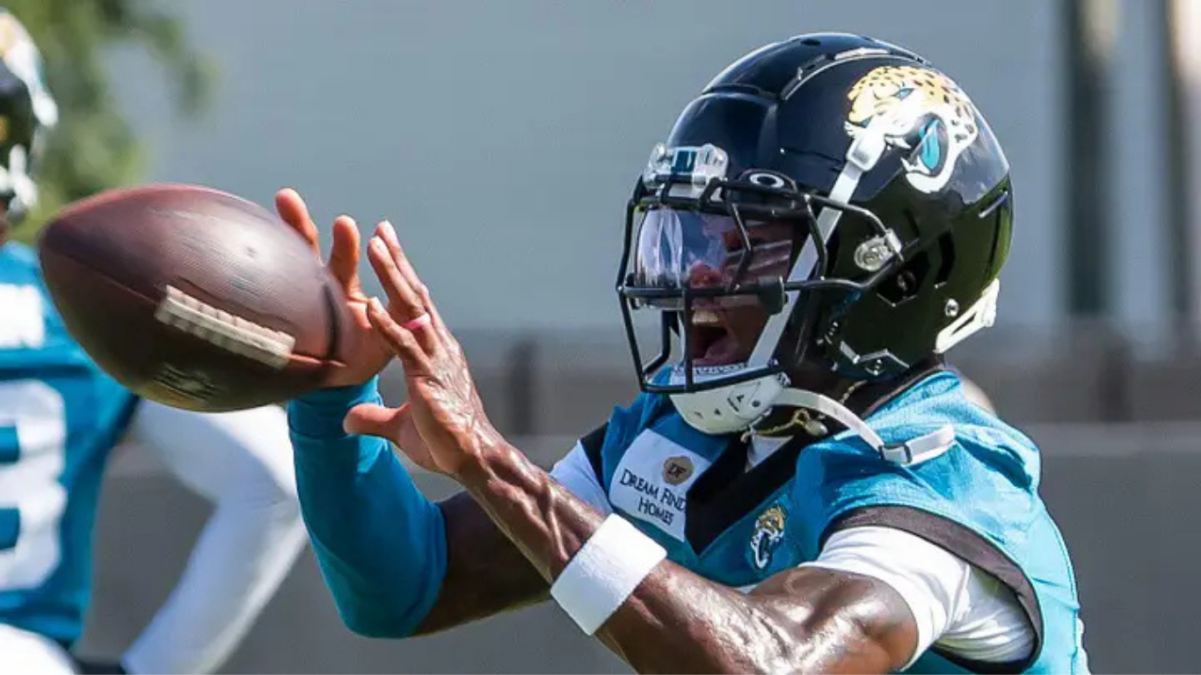
The Jaguars’ preseason depth chart has listed Hunter as a starting cornerback and a backup wide receiver. He did not play in the team’s second preseason game against the Carolina Panthers. Head coach Liam Coen and the front office continue to say Hunter will play both sides of the ball, but the emphasis has clearly shifted toward developing him as a full-time defensive contributor while using him situationally on offense.
Jacksonville’s wide receiver room is crowded. Brian Thomas Jr., Jakobi Meyers, and Parker Washington form a solid top three, with additional depth available. That competition further limits the opportunity for consistent offensive volume.
2025 Rookie Season Recap and Key Statistics
Hunter’s abbreviated rookie year offered a glimpse of his potential. In seven games he recorded 28 receptions for 298 yards and one touchdown on 45 targets (10.6 yards per catch). His final game before the injury was his strongest: eight catches for 101 yards and a score against the Los Angeles Rams.
On a per-game basis he averaged roughly 6.4 targets, 4.0 receptions, and 42.6 receiving yards. In PPR formats that equated to mid-tier WR3 or flex production when active. He also contributed limited defensive snaps, recording tackles and pass breakups before the knee injury.
Consensus 2026 projections currently sit in the range of approximately 42 receptions, 497 yards, and 3 touchdowns, with minimal rushing production. Those numbers reflect the expectation of reduced offensive snaps. Average draft position has settled around overall pick 200 (roughly WR70 range), with some platforms showing him a bit higher or lower depending on format. Dynasty value has also cooled as managers adjust expectations for a more defense-heavy role.
Match Preview Context and 2026 Outlook
As of late August 2026, the regular season is approaching. Jacksonville opens against the Cleveland Browns. Early schedule strength of schedule rankings for wide receivers favor the Jaguars, ranking among the easier slates. That could help any offensive production Hunter generates.
The larger question is how the coaching staff balances his snaps once games count. Coen has noted the challenge of managing a two-way player’s workload while preserving long-term health. The organization appears to view Hunter’s highest long-term value as a lockdown corner who can still be deployed as a gadget or situational receiver. Fantasy managers should monitor Week 1 snap counts closely—particularly the offensive percentage—before making start/sit decisions.
Players to Watch in the Jaguars Offense
Several teammates directly affect Hunter’s fantasy ceiling:
- Brian Thomas Jr. – The clear WR1. Consistent target share and red-zone involvement make him the primary option for Trevor Lawrence.
- Jakobi Meyers – Reliable possession receiver who commands volume on intermediate routes.
- Parker Washington – Emerged as a productive option in 2025 and continues to compete for snaps.
- Trevor Lawrence – The quarterback’s efficiency and willingness to spread the ball will dictate how many opportunities reach the secondary receivers.
Injuries or underperformance from any of the top three wideouts would immediately boost Hunter’s offensive role. Conversely, a healthy and productive group keeps him in a complementary package role.
Expert Analysis: Is Travis Hunter Worth Drafting in 2026?
Hunter’s fantasy profile in 2026 is defined by volatility. The talent is elite. Few players in the league possess his combination of speed, ball skills, and football IQ on both sides of the ball. In best-ball or deep leagues, that upside still justifies a late-round flier. In standard redraft leagues, the reduced offensive volume makes him more of a bench stash or bye-week option than a weekly starter.
The risk is clear: if the Jaguars keep offensive snaps under 30-40 percent, Hunter will struggle to clear 50 catches or 600 yards. The reward exists if injuries open the door or if the coaching staff discovers high-leverage packages that maximize his explosiveness without overtaxing him. His final 2025 game showed what that ceiling looks like.
Dynasty managers face a tougher decision. Long-term value depends on whether Jacksonville eventually allows greater offensive involvement or if Hunter becomes a primarily defensive player who occasionally contributes on offense. Holding through the early part of 2026 is reasonable while monitoring usage trends.
Overall ranking consensus places him as a low-end WR4 or flex candidate with weekly upside in favorable matchups. Draft him only at a discount relative to his current ADP if you need high-upside depth.
FAQs
1. What is Travis Hunter’s current fantasy ranking and ADP for 2026?
Most expert consensus rankings list him around WR65-WR75, with an overall ADP near pick 200. Exact numbers vary slightly by platform and scoring format.
2. Will Travis Hunter play more offense or defense in 2026?
Training camp reports strongly indicate a defense-first role, with offensive snaps used situationally. The team has not ruled out two-way play, but volume on offense is expected to be limited.
3. Is Travis Hunter a good dynasty draft pick?
His dynasty value has declined due to the projected reduction in offensive snaps. He remains interesting for managers who believe the talent will eventually force more involvement or who value long-term defensive impact in IDP leagues.
4. What are realistic 2026 fantasy projections for Travis Hunter?
Consensus projections hover around 40-45 receptions, 450-550 yards, and 2-4 touchdowns. Actual production will hinge almost entirely on offensive snap percentage.
5. Should I draft Travis Hunter in redraft leagues?
Only as a late-round flier or depth piece. He is not a reliable weekly starter at his current projected volume, but the upside remains higher than many players taken in the same range.
Conclusion
Travis Hunter’s 2026 fantasy outlook is a classic risk-reward proposition. The athletic tools that made him a Heisman winner and top draft pick are still there, and he returns healthier and stronger after a significant knee injury. At the same time, the Jacksonville Jaguars appear committed to maximizing his impact on defense while carefully managing offensive opportunities in a crowded receiver room.