
Fans of the NBA often turn to the numbers when two franchises meet, and the Washington Wizards versus Dallas Mavericks match player stats have delivered plenty of talking points in recent seasons. Whether it is a career night from a young forward or a clutch scoring burst that decides the outcome, these games have highlighted individual brilliance alongside team trends. In the 2025-26 campaign the two sides faced each other early, producing contrasting results that still offer clear insight into form, efficiency and impact.
The rivalry is not the league’s most historic, yet every meeting generates fresh statistical interest. Washington has shown flashes of scoring depth while Dallas has relied on interior presence and timely perimeter shooting. Looking at the verified box scores from the October and November 2025 contests gives a balanced picture of who performed, how the numbers stacked up, and what those figures reveal about both squads.
Recent Match Overview: October 2025 Encounter
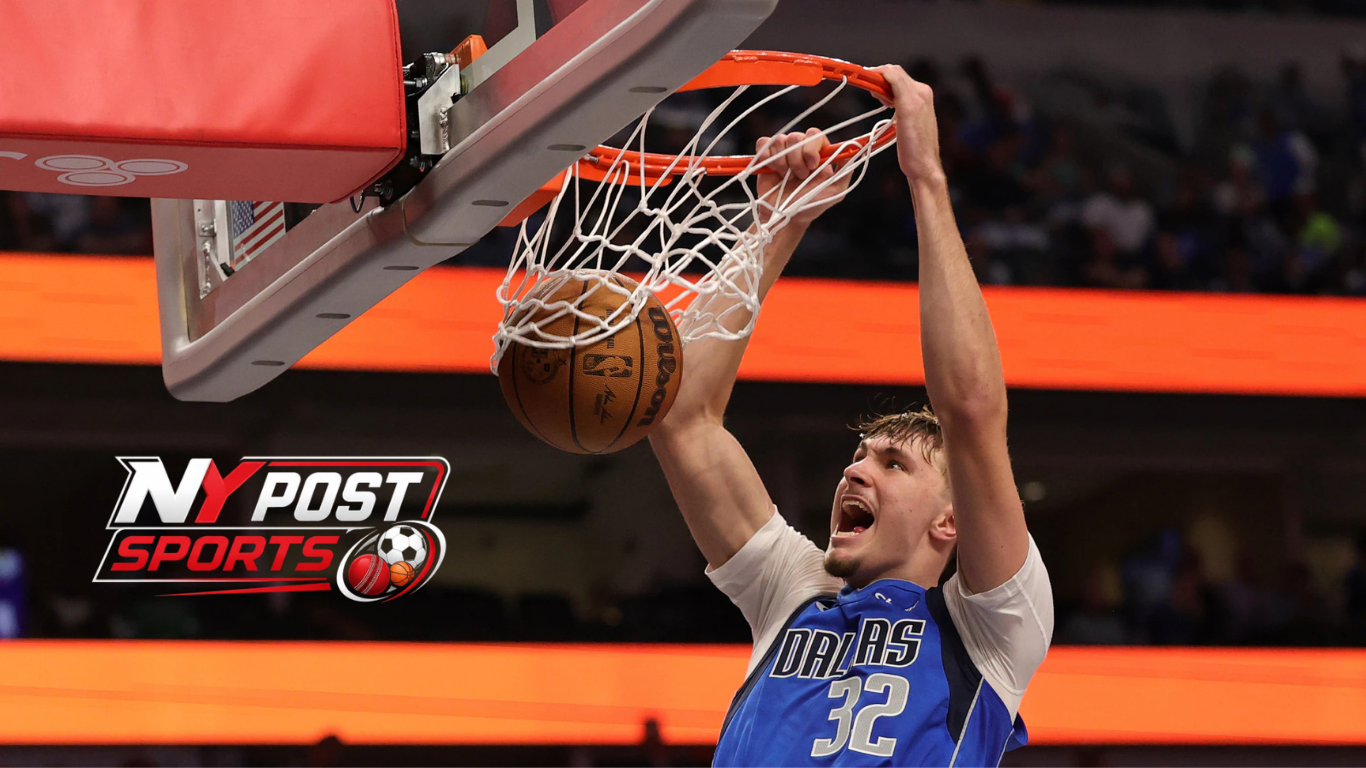
On 24 October 2025 the Washington Wizards travelled to Dallas and left with a 117-107 victory. The result marked an early statement for a Wizards side still finding its rhythm. Kyshawn George produced the headline numbers, finishing with a career-high 34 points on 11-of-15 shooting, including 7-of-9 from three-point range. He added 11 rebounds, four assists, two steals and three blocks in 35 minutes. The efficiency stood out: George’s true shooting percentage for the night sat well above league averages and his plus-minus of +14 reflected how the Wizards controlled large stretches once he heated up.
Supporting contributions arrived from the bench and starting unit. Tre Johnson scored 17 points on 7-of-13 shooting with three made threes. Alex Sarr recorded 14 points, nine rebounds, five assists and three blocks. The Wizards as a team shot 45.6 per cent from the field and 41.7 per cent from deep, while grabbing 58 rebounds and forcing 21 Dallas turnovers. Those collective figures, paired with George’s individual explosion, explained the ten-point margin.
Dallas received a solid outing from Anthony Davis, who posted 27 points and 13 rebounds. Cooper Flagg added 18 points, five rebounds and six assists, while P.J. Washington also scored 18. Yet the Mavericks shot only 29.4 per cent from three-point range and committed too many turnovers for a home side. The second-half rally led by Flagg narrowed the gap but could not erase the earlier deficit created by Washington’s superior ball movement and outside accuracy.
November 2025 Rematch and Shifting Numbers
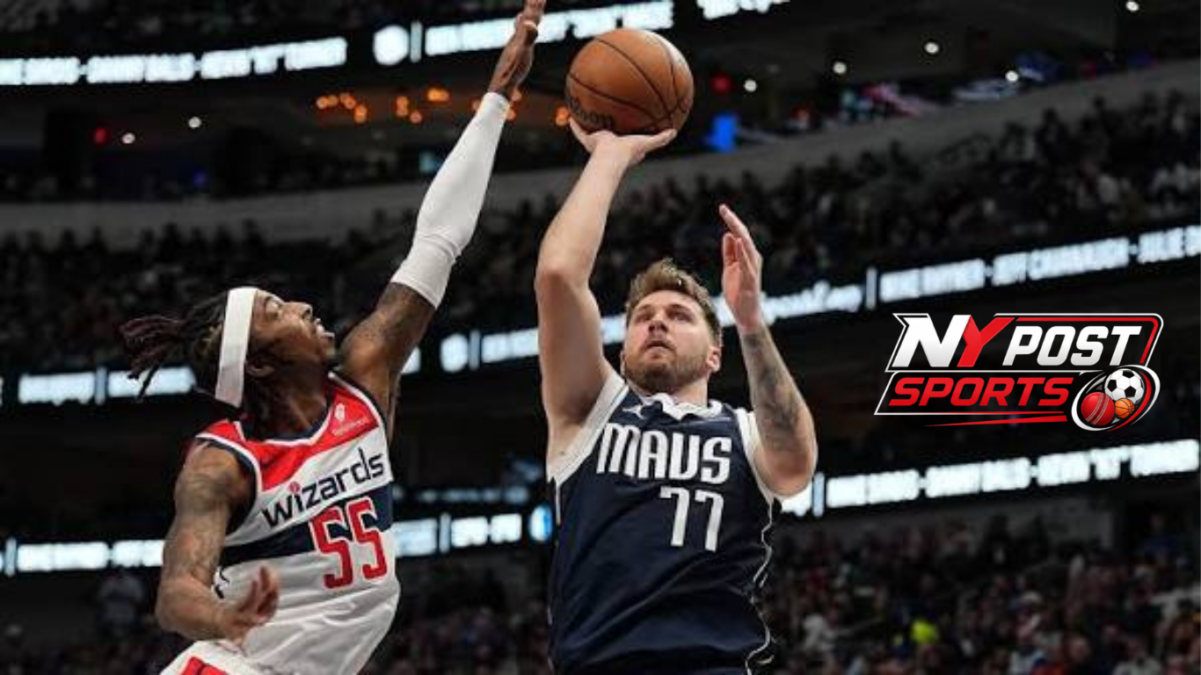
The sides met again on 8 November 2025, this time with Dallas prevailing 111-105. Naji Marshall led the Mavericks with a season-high 30 points. His scoring came through a mix of drives, mid-range finishes and free throws, providing the offensive anchor Dallas needed. P.J. Washington contributed key scoring in the closing stages, while the team as a whole protected the ball better than in the previous meeting and maintained a first-quarter cushion that ultimately proved decisive.
For the Wizards, Alex Sarr again featured prominently with consistent scoring and interior presence. Cam Whitmore provided bench energy, and Kyshawn George remained a threat from distance even if his overall volume was lower than the October high-water mark. Washington closed the third quarter strongly but managed only 19 points in the fourth, a drop-off that allowed Dallas to close out the game. Team field-goal percentages remained competitive, yet the Mavericks’ ability to limit second-chance opportunities and convert late possessions separated the sides.
These two results produced a 1-1 split in the early season series. Across both contests certain patterns emerged. Washington generated higher three-point volume and conversion rates on the road, while Dallas leaned on size and free-throw generation at home. Individual efficiency varied with match-up and rest, yet the standout single-game performances—George’s 34-point night and Marshall’s 30—remain the clearest statistical landmarks.
Key Individual Trends and Efficiency Metrics
Examining Washington Wizards vs Dallas Mavericks match player stats more closely reveals useful context beyond raw totals. George’s October line combined scoring, rebounding and defensive activity rarely seen from a wing of his experience level at that stage. Seven made threes on nine attempts demonstrated both confidence and selection; the accompanying 11 rebounds showed willingness to crash the glass. In the return fixture his minutes and usage adjusted, illustrating how defences can scheme differently once a player posts a career night.
On the Dallas side, Anthony Davis’s 27-point, 13-rebound double-double in October underlined his continued value as a two-way anchor, even on a night the team fell short. Cooper Flagg’s all-round contribution—points, assists and defensive plays—hinted at the multi-positional role the organisation envisioned. Marshall’s subsequent 30-point effort showed the Mavericks could generate secondary scoring when primary options faced heavier attention.
Team-level numbers also matter. Washington’s 58 rebounds and 11 steals in the first meeting reflected activity on both ends. Dallas’s 21 turnovers in that game represented a clear area for improvement, one the coaching staff appeared to address by the November contest. Shooting variance between the two nights—particularly from beyond the arc—illustrated how small percentage shifts can decide close NBA games.
Historical Context and Broader Series Patterns
Over a longer timeframe the Mavericks have held the edge in the all-time regular-season series, yet individual match-ups continue to produce outliers. Recent box scores show both organisations capable of high-scoring outputs when three-point shooting aligns with interior efficiency. Young contributors such as George and Flagg have added fresh statistical intrigue, giving supporters new names to track when the sides next collide.
Publicly available data from official league sources and major sports outlets confirm the figures cited above. No reliable evidence supports claims of unusual external factors altering the outcomes; the results followed standard patterns of execution, match-up advantages and late-game execution. Where speculation arises about future form or trade implications, those remain unverified and outside the scope of pure player-stat analysis.
What the Numbers Suggest for Future Meetings
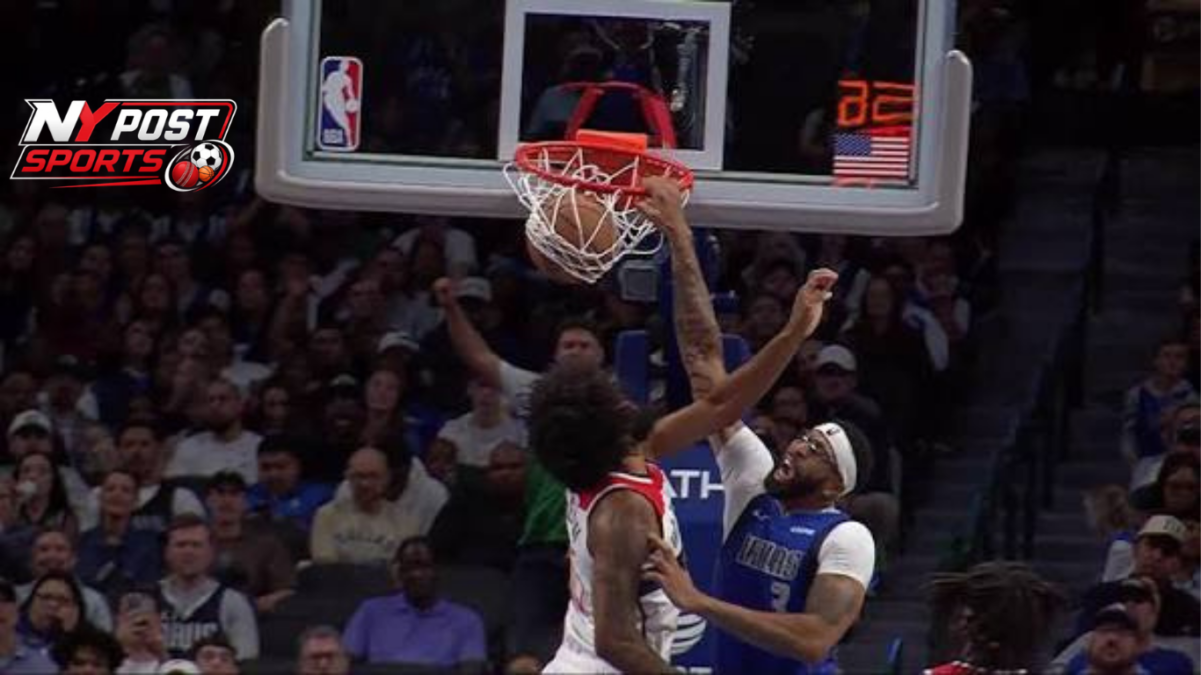
Efficiency from the perimeter remains a decisive factor. When Washington converts at a high rate from three, as it did in October, the offence becomes difficult to contain. Dallas counters with size and secondary creation, illustrated by Marshall’s volume scoring and Davis’s rebounding. Defensive metrics—steals, blocks and forced turnovers—have swung both ways and will likely continue to influence margins.
Bench production also features regularly in these box scores. Tre Johnson’s 17 points off the bench in October and various Mavericks reserves in November demonstrate depth can tilt a close contest. Tracking minutes distribution and plus-minus for role players therefore offers additional layers when reviewing Washington Wizards vs Dallas Mavericks match player stats.
Conclusion
The available Washington Wizards vs Dallas Mavericks match player stats from the 2025 encounters paint a clear picture of competitive balance and individual excellence. Kyshawn George’s career-best 34-point, 11-rebound performance and Naji Marshall’s 30-point reply stand as the signature lines, supported by solid contributions from Anthony Davis, Cooper Flagg, Alex Sarr and others. Team shooting percentages, rebound totals and turnover differentials explain the contrasting results without exaggeration.
These numbers reward careful examination rather than hype. They show two squads capable of high-level basketball on any given night and highlight the value of efficient scoring wings alongside traditional big-man production. As the franchises continue to develop, future meetings will supply new data points, yet the October and November 2025 games already provide a reliable statistical foundation for fans and analysts alike.