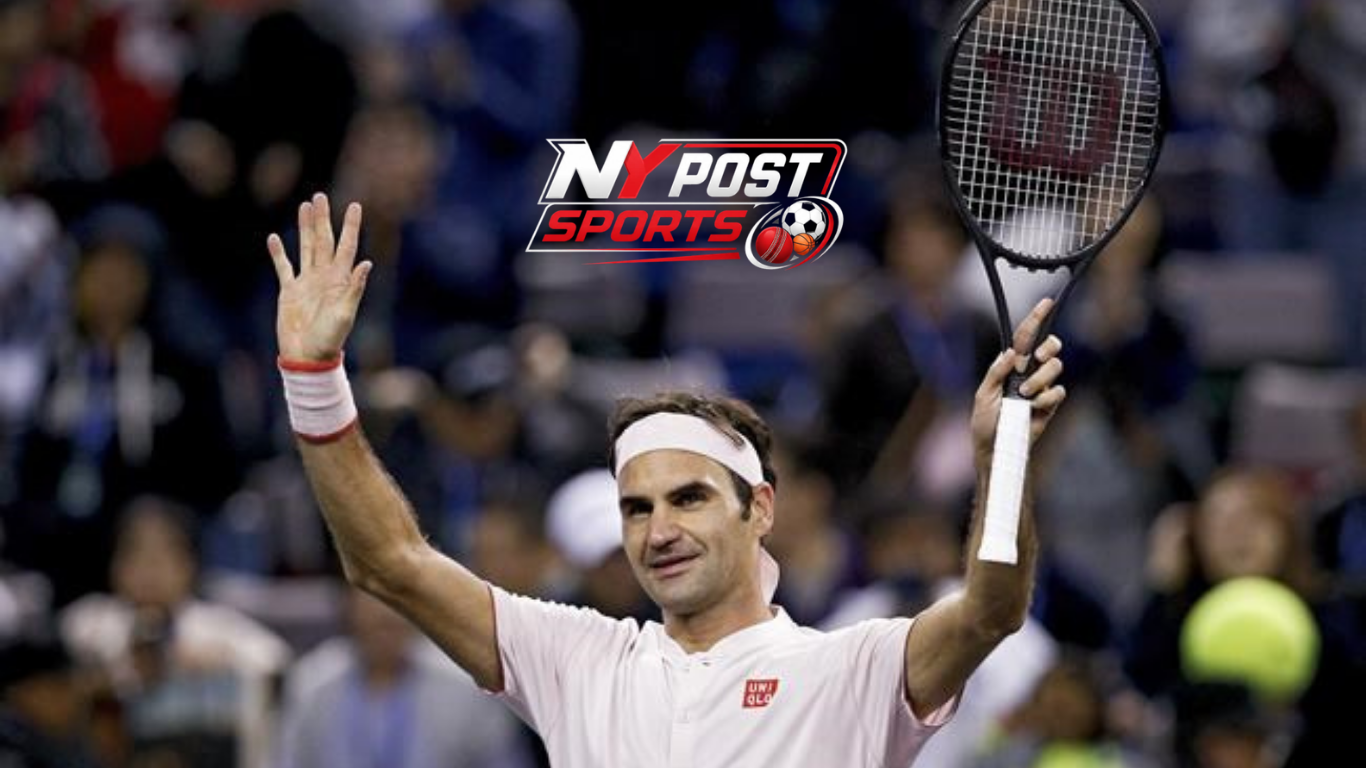
Few names in sport continue to capture public attention quite like Roger Federer. Even years after hanging up his racquet, fresh Roger Federer news regularly surfaces, whether it concerns his upcoming International Tennis Hall of Fame induction, appearances at major tournaments, or updates from his foundation. Fans and newcomers alike remain drawn to the Swiss maestro whose elegance on court matched his grace off it.
Born in Basel and raised between two cultures, Federer rose from junior standout to the holder of 20 Grand Slam singles titles. His career spanned more than two decades and helped define modern tennis alongside great rivals. Today, interest in Roger Federer news reflects more than nostalgia. It shows how a champion who retired in 2022 still shapes the sport through public appearances, business interests and quiet philanthropy.
Readers keep returning because Federer’s story combines extraordinary success with resilience, family devotion and a consistent commitment to giving back. This feature gathers the verified facts of his life and career, placing recent developments in context without speculation.
Early Life and Background
Roger Federer was born on 8 August 1981 in Basel, Switzerland. His father, Robert Federer, came from the Swiss canton of St Gallen, while his mother, Lynette (née Durand), was born in South Africa. The family connection to both countries later influenced Federer’s charitable focus on southern Africa. He has one older sister, Diana.
As a child Federer accompanied his parents to the tennis courts of the pharmaceutical company where they worked. He first picked up a racquet around the age of three and showed early talent. By eight he had joined the Old Boys Tennis Club in Basel, where he trained under coaches including Adolf Kacovsky and later Peter Carter, an Australian who became a lasting influence.
Federer enjoyed many sports growing up, including football, basketball, skiing and swimming, yet tennis quickly became central. He won the Swiss under-12 national championship in 1993 and served as a ball boy at the Swiss Indoors tournament in Basel. From 1995 to 1997 he attended the Swiss National Tennis Centre in Ecublens, where he also improved his French. He completed his compulsory schooling at La Planta secondary school and obtained his certificate in 1997.
These formative years shaped both his competitive drive and his multilingual ease. Federer speaks Swiss German, Standard German, French and English fluently—skills that later helped him connect with global audiences.
Career and Rise to Fame
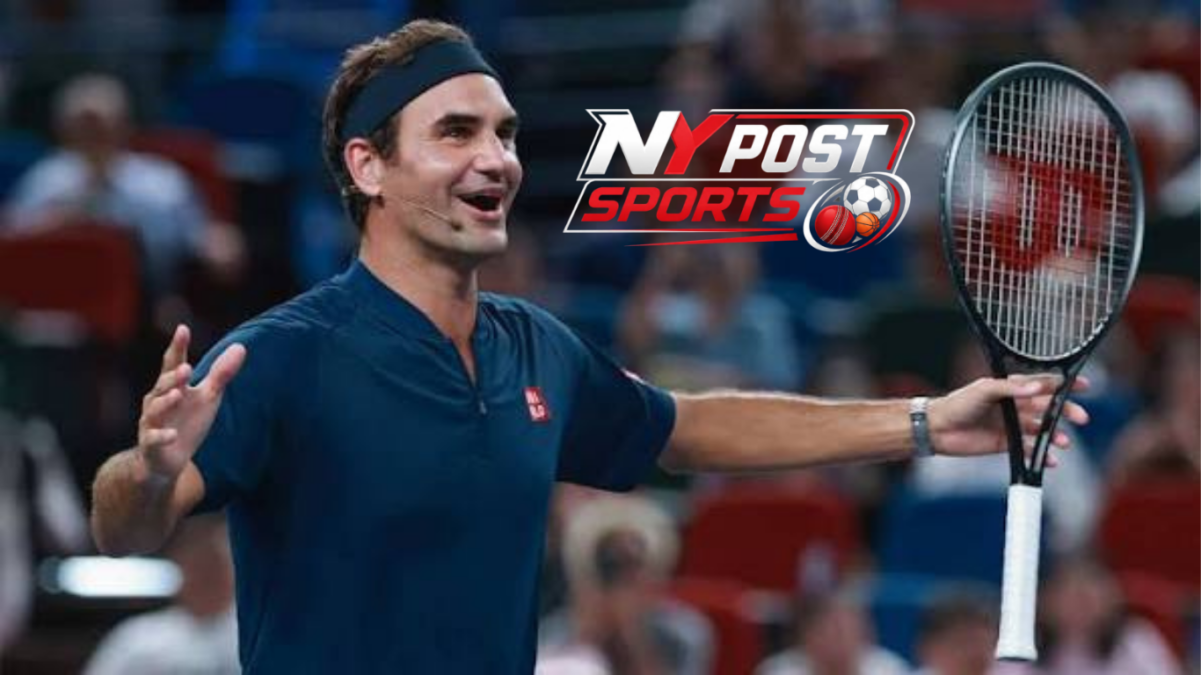
Federer turned professional in 1998. That same year he won the Wimbledon junior singles title and the prestigious Orange Bowl. His senior breakthrough arrived in 2003 when he claimed his first Grand Slam at Wimbledon, defeating Mark Philippoussis in the final. The victory marked the start of a remarkable period of dominance.
Between 2004 and 2007 Federer collected multiple major titles each season and spent a record 237 consecutive weeks as world No. 1. Overall he held the top ranking for 310 weeks, the second-longest total in the Open Era. He finished as year-end No. 1 five times. His Grand Slam tally eventually reached 20: eight Wimbledon titles (a men’s record), six Australian Opens, five US Opens and one French Open, completed in 2009 when he finally conquered Roland Garros.
Federer amassed 103 ATP singles titles, second only to Jimmy Connors in the Open Era, and earned more than $130 million in prize money. He also won Olympic gold in doubles with Stan Wawrinka in 2008 and silver in singles in 2012. In 2014 he helped Switzerland capture the Davis Cup for the first time.
Beyond statistics, Federer became known for fluid movement, a one-handed backhand and exceptional sportsmanship. He collected a record 13 Stefan Edberg Sportsmanship Awards and 19 consecutive ATP Fans’ Favourite Awards. Collaborations with brands such as Nike (later Uniqlo), Rolex and Wilson reinforced his global image as both athlete and style icon.
Personal Challenges or Turning Points
Even the most graceful careers encounter obstacles. Federer dealt with a chronic back problem that led to exemption from Swiss military service in 2003. In 2008 he contracted mononucleosis, which affected his energy levels for a period.
More serious setbacks arrived later. In early 2016 he underwent arthroscopic surgery on his left knee after tearing the meniscus. The recovery forced a lengthy absence and he returned cautiously. Further knee issues followed. He had additional procedures on the right knee in 2020 and required further treatment that limited his schedule in 2021 and 2022. These injuries contributed to his decision to retire after the Laver Cup in September 2022, where he partnered Rafael Nadal in an emotional doubles farewell.
Federer has spoken openly about the physical and mental demands of prolonged rehabilitation. Rather than diminish his achievements, these challenges highlighted his determination. Comebacks in 2017, when he won both the Australian Open and Wimbledon at the age of 35, remain among the most celebrated chapters of his career.
Personal Life
Federer met Miroslava “Mirka” Vavrinec, a fellow Swiss player, at the 2000 Sydney Olympics. They married on 11 April 2009 at Wenkenhof Villa near Basel in a private ceremony attended by close family and friends. The couple welcomed identical twin daughters, Myla Rose and Charlene Riva, in 2009. In 2014 they had a second set of twins, sons Leo and Lenny.
The family has largely kept a low public profile while supporting Federer’s career and later his post-retirement activities. Federer has described family life as his greatest priority and often travels with Mirka and the children when schedules allow. They maintain residences in Switzerland, including Valbella.
Public statements from Federer consistently emphasise gratitude for his family’s support throughout the long tour years and during injury recoveries.
Later Career and Current Activities
Since retiring in 2022 Federer has remained closely connected to tennis. In January 2026 he returned to Melbourne Park to headline the Australian Open’s inaugural opening ceremony. In July 2026 he attended Wimbledon once again, watching matches from the Royal Box and continuing an annual tradition of visiting the All England Club. He is also scheduled to appear in exhibition doubles at the 2026 US Open.
The most significant recent honour is his election to the International Tennis Hall of Fame in the Class of 2026. Induction takes place in Newport, Rhode Island, from 27 to 29 August 2026, with Federer set to participate in on-court celebrations alongside other legends.
Away from the court Federer continues his work through the Roger Federer Foundation, established in 2003. The organisation focuses on early childhood education and foundational learning systems, primarily in southern Africa and Switzerland. By recent counts it has reached millions of children and supported tens of thousands of teachers. Federer also serves as a UNICEF Goodwill Ambassador.
Business interests include a significant stake in the Swiss sportswear brand On, which has contributed to estimates of his net worth reaching approximately $1 billion according to Forbes figures reported in 2026. Endorsement partnerships and selective public appearances complete a balanced portfolio that keeps him visible without full-time competition.
Quick Bio
| Detail | Information |
| Full Name | Roger Federer |
| Date of Birth | 8 August 1981 |
| Place of Birth | Basel, Switzerland |
| Nationality | Swiss |
| Profession | Former professional tennis player |
| Years Active | 1998–2022 |
| Known For | 20 Grand Slam singles titles, elegant style |
| Estimated Net Worth | Approximately $1 billion (Forbes, 2026) |
Legacy and Lasting Impact
Roger Federer’s influence extends far beyond trophies. He helped elevate tennis’s global popularity during the 2000s and early 2010s, drawing new audiences with a style that combined power, precision and artistry. Younger players continue to cite him as an inspiration for both technique and conduct.
Public perception remains overwhelmingly positive. Federer is widely regarded as one of the greatest ambassadors the sport has known—competitive yet gracious, private yet approachable. His foundation work demonstrates a sustained commitment to education that will outlast any ranking list.
Lessons from his career include the value of adaptability, the importance of recovery after setbacks, and the possibility of balancing elite performance with family life. In an era of intense specialisation, Federer’s multi-sport childhood and measured approach offer a reminder that longevity often rewards patience and balance.
Conclusion
From the courts of Basel to the lawns of Wimbledon and now the Hall of Fame in Newport, Roger Federer’s journey remains a compelling chapter in sporting history. Recent Roger Federer news—whether about ceremonial appearances, charitable milestones or the formal recognition of his achievements—shows that his relevance has not faded with retirement. Instead it has evolved into a quieter, broader influence that continues to engage fans of all ages.